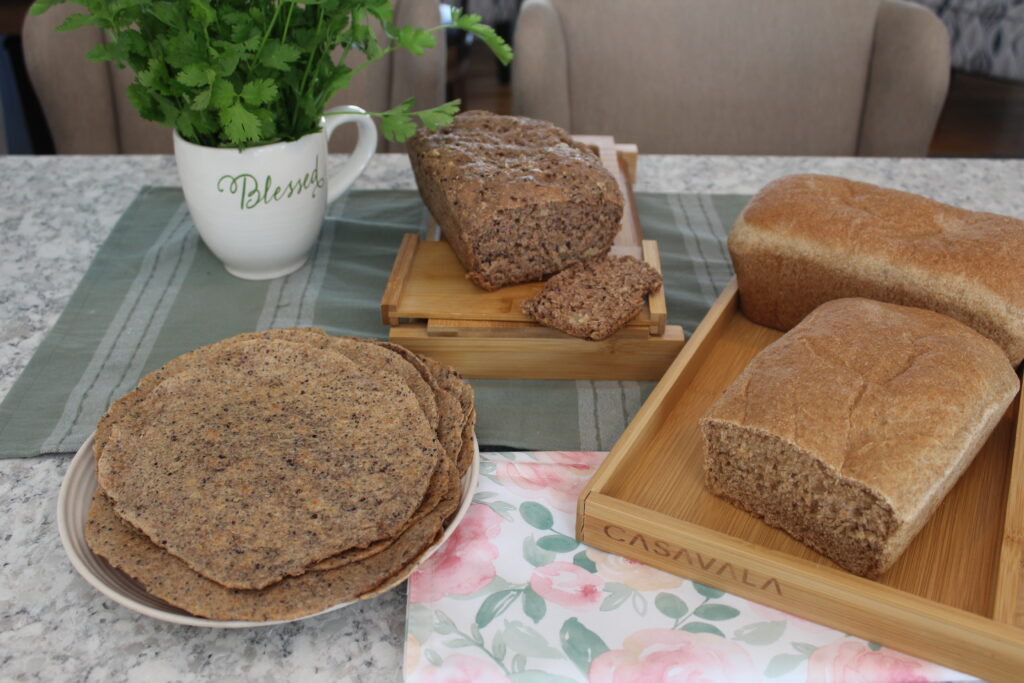
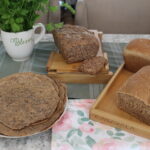
I’ll be the first to admit, I am not a good baker. However, that does not stop me from making these fresh-milled whole wheat buns!
Guess what? You don’t have to be a good baker to make them either!
I adjusted this recipe from Sue Becker’s adaptation of the Sojurishi recipe. Her blog post is here if you want to see what she does to make hers. She is the pro, not me! My journey started here!
However, in baking we do what works for us, don’t we?
God provides us just what we need when we need it, and He has gone above and beyond with the benefits of the various grain varieties He created. Even if you have a wheat sensitivity, there is a grain for you.
The choices of millet, barley, oats, quinoa, and buckwheat are some that come to mind. They are filling and satisfying.
Anyway, I hope you like the recipe, and the ways I used them for my various meals in the pictures below.
Super Easy Fresh-Milled Whole Wheat Buns
4 Cups Fresh Milled Whole Wheat Flour
1 1/2 Cups Water
2 tsps. Salt
1/3 Cup Organic Extra Virgin Olive Oil
1 tbsp yeast
Heat oven to 350 degrees.
I put 2 cups of fresh-milled flour into my stand mixer and add the salt and the water. I mix lightly until just combined and then let it sit 20 minutes.
After this time, I add the yeast, oil and then a little at a time, the remaining flour and let the mixer knead the dough 8 minutes.
I remove my beaters, and lightly flour my hands as I shape the dough into 12 buns. I lay them on parchment paper until they are double in size. (I don't do a double rise, that's why this is so easy).
Bake them at 350 for about 18 minutes.
If you like this no sugar bread, give it a rating and let me know how you make yours!
Momma’s Power Over Her Family’s Health Begins Here
Mommas and grand mommas do you understand the potential power you have over your family’s health?
“Train up a child in the way he should go; even when he is old, he will not depart from it.”
Although this may be tough at first, when the whining, begging, and tears of little ones aside their health is worth the effort. When the junk is not present in the house, you and I have all the power over better choices.
And it starts in the grocery store by filling the cart with garden goodness and not bringing junk home.
God’s plan for you, me, and our children is to thrive. Therefore, we can be thankful He put all the healing properties we need in the food He created.
Culturally, for me in rural Kentucky, growing up with a high sugar breakfast, lunch, and snacks were the norm. So, when I consider this statement from the CDC’s website, I cringe inside:
“Empty calories from added sugars and solid fats contribute to 40% of daily calories for children and adolescents age 2–18 years—affecting the overall quality of their diets. Approximately half of these empty calories come from six sources: soda, fruit drinks, dairy desserts, grain desserts, pizza, and whole milk. Most youth do not consume the recommended amount of total water.”
Although the choices of my culture can be eliminated at the grocery store, wise marketing and strategically placed items of little nutrition are still present and tempting.
They are placed within view on every isle of the store. Not to mention, television ads are geared towards our little ones.
Momma’s Power to Resist
How does a momma start to change the culture of her home with this onslaught of persuasion making life easier for her?
One way is prayer, another way is knowledge.
When you and I understand how damaging this ultra-processed food is to our child’s genetic code and his ability to fight chronic disease, we realize the value of filling our cart with God’s miraculous healing food instead.
As the tantrums and meltdowns begin at home, we can calmly take the child over to the cabinet or refrigerator and show him the apples, grapes, bananas, mandarin oranges, kiwi, and pineapple that are available.
We’re off the hook because we are not the villainous sugar depriver in his mind. A simple statement like, “Sorry honey, this is what we have to eat” is all he needs to hear.
Just like the myth of Santa roams through his childish mind, so does the myth overly processed food is satisfying and what he craves. Eventually, out of site will be out of mind, too.
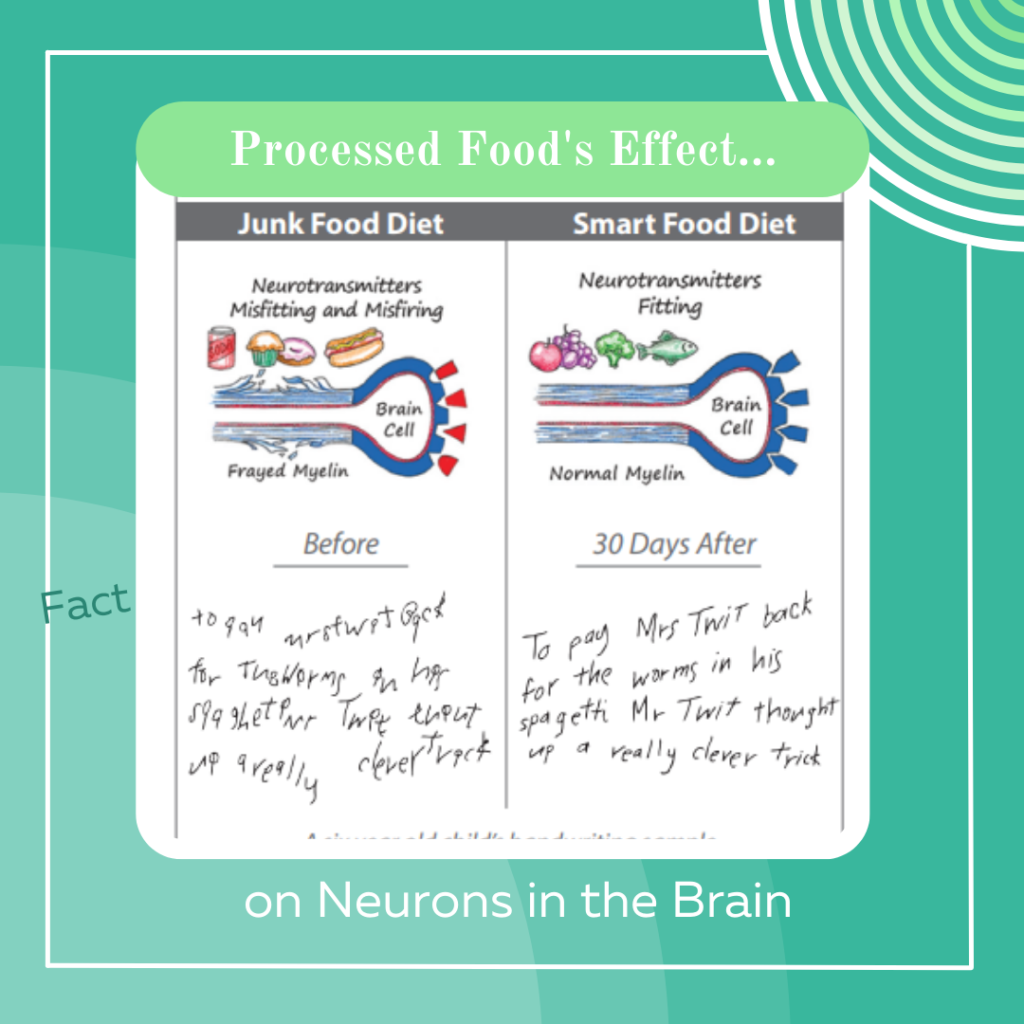
Seeing the effects on his nervous system is also helpful in gaining knowledge, as seen in the diagram of handwriting samples below. How can a child think clearly with such frayed neurons?
Credit for this photo is the Dr. Sears Wellness Institute
The Benefits of Momma Gaining Power
Don’t get me wrong, removing ultra-processed food completely, may not be easy the first week. I remember changing my girls’ routine when they were around seven and nine years old. It took them a few days to get used to the lack of junk food in the house, but they survived.
Well, actually, they thrived.
However, for others, retraining the mind may be easier than retraining the taste buds. Not only that, but new taste and textures form slowly for children. Some sources say it may take 10-15 tries before they begin to like new things.
But offering very small amounts to the side of their plate instead of on the plate is a good way to get used to this as the new normal. Also, being careful not to force them to eat or take a bite, helps avoid power struggles where both of us leave the table defeated and upset.
Kids will eventually explore new items themselves out of curiosity, without mom or grandma pushing it on them verbally (2)
Oh, how I remember my own childhood and the reminders from my parents of starving kids in Africa! Missionaries came through church at various times throughout the year to show us pictures of these children, so I knew they were real.
Being thankful and grateful for our food is worth learning as a child and encouraging children to try new things, without guilt, is even more worthwhile. Teaching them how God placed vitamins, minerals, and antioxidants in food to help them grow works better than a guilt trip. It shows how much He loves them.
Children receive good reasons to try new things and momma has an arsenal of immune boosting support for the next round of illnesses that are sure to come.
Momma’s Power to Help Restore Gut Health
Common childhood infections of the ears and throat come alongside the use of antibiotics too, don’t they? This is understandable, because kids are young and developing their immune systems. Plus, they are exposed to bacteria and viruses all around them.
So, what’s a mom to do when several courses of antibiotics have also wiped out the good bacteria in their child’s gut?
Momma’s power to help restore this very important component of her child’s health is in her hands, too. Here are three ways I’ve learned help us get started:
Increase a child’s intake of fermented foods
Kefir- a cultured milk drink that can be purchased plain and blended with fruit for a smoothie.
Fermented pickles
Sugar-free yogurt—the average yogurt for kids has 14grams of sugar, that is over 3 teaspoons!
Small amounts of kombucha— which is a fermented tea, a little sour, and naturally carbonated.
2. Include finely chopped onions and garlic and other root vegetables in meals
Root vegetables offer the right amount of natural sugar (oligosaccharides) feeding the good bacteria
our gut, they help break down fat, increases nitric oxide production, and are high in the antioxidant, quercetin.
3. Explore ways to increase fiber rich foods in every meal
Oats and the use of whole grains in muffins
Ground flax and chia seeds can be hidden in soups, on hot cereals, in cookies, or in burgers.
Encourage as many fruits and vegetables as they will eat, like carrots, apples, celery, bananas, cucumbers, avocados.
Don’t despair, God has placed all things, in many forms, for us to restore health. Trust Him as you explore items with your family to improve your health and prevent chronic disease.
He is worthy of praise!
I am here in the battle with you, and I’m here for you if you or your family need coaching, just contact me!
van der Horst K, Sleddens EFC. Parenting styles, feeding styles and food-related parenting practices in relation to toddlers’ eating styles: A cluster-analytic approach. PLoS One. 2017 May 24;12(5):e0178149. doi: 10.1371/journal.pone.0178149. PMID: 28542555; PMCID: PMC5443548.
Cancer, What’s Your Mega Battle Strategy?
As you know, the month of October is breast cancer awareness month. Since all cancers combined are the #2 killer of women: What is your go-to cancer battle strategy?
I have a special friend beginning her battle to defeat the enemy of cancer as I write this. So, I’d like to spend our time together focusing on prayer, uplifting scripture, and discussing the wonderful provision God provides in his garden to battle this disease in all its forms.
Prayer
Dearest God, you know the heart of my friend battling cancer and what she needs today. I pray she feels your Holy Spirit holding her close and guiding her through this scary process. You see the uncertainty, the trepidation, and courage. She is resilient because she is well loved. She is thankful because you have placed people in her path who care and seek to help. Glorious God, you make a way for the heart of my friend to survive and be filled with all this support. I thank you and praise you for your loving care.
Scripture
“Protect me, God, for I take refuge in You. I said to Yahweh, ‘You are my lord; I have nothing good besides You. As for the holy people who are in the land, they are the noble ones. All my delight is in them. Psalm 16:1-3
Prayer and scripture are powerful tools for battling the enemy of cancer, aren’t they? Another blessing for our arsenal is God’s wonderful provision in the garden. Here are a couple things to avoid and a few top things to consume when fighting this enemy.
One is to avoid highly processed food with additives, preservatives, and sugar. Plus…
—– All tobacco products and alcohol.
Major risk factors for breast cancer are genetic mutation, obesity, alcohol consumption, lack of physical activity, red meat consumption, and processed food intake. (1)
Two, is a no brainer… consume fresh fruits and vegetables. Plus eating lean sources of lean protein to keep up your strength.
Although there is no specific diet for fighting breast cancer (or other cancers), we can trace the general practices of populations with low incidences of cancer to get an idea of how to follow their lead.
What do they eat regularly to have such low rates? How do they live?
As with all healthy practices and efforts in improving our health, the L.E.A.N principle applies with cancer prevention too. L.E.A.N. stands for Lifestyle, exercise, attitude, and nutrition, they are the four pillars of health I teach in my family, pregnancy, and adult programs from the Dr. Sears Wellness Institute.
We’ll focus on the top four of God’s wonderful cancer fighting plants today:
1. Broccoli alone has vitamins, polyphenols, sulfides, glucosinolates and antioxidants. All these micronutrients are shown to have cancer fighting properties. Item
2. More cruciferous vegetables like cabbage, kale, Brussel sprouts, green leafy vegetables and cauliflower contain sulforaphanes that battle cancer.
3. Allium vegetables are of the most interesting herbs in restricting cancers that includes garlic, onions, leeks, chives, and shallots.
4. Studies show that the anticancer effects of berries are beneficial to counteract, reduce, and repair damage resulting from oxidative stress and inflammation.
God ‘s powerful provision for battling this disease is so impressive! We can sample a few each day to build or restore our defenses.
“Lord you are my portion and my cup of blessing; You hold my future. The boundary lines have fallen for me in pleasant places; indeed, I have a beautiful inheritance.”
Now let’s talk about the right fats to battle breast cancer
Here are a few facts I learned about fat this week when researching diet and breast cancer.
Since the last four decades have touted the benefits of low-fat dieting it’s going to take a while to cease and desist. Discernment in reading is imperative, as well as looking at who is funding the studies we are reading.
Please know, newer studies show that understanding “right fats” is more important to prevention of cancer and other chronic diseases, than a “low fat” concept.
Now, does that mean you can eat as much fat as you want? I’d say think about how God placed fat naturally in nature.
Did He create it alongside sugar cane or honey? No.
Did He put it in starchy vegetables or bread? No.
Did He put it alongside protein? Yes
Abundant healthy monosaturated fat sources are in things like fish, nuts, seeds, and some fruits. While its saturated sources are from beef, poultry, and others.
In Leviticus chapter 16 specific parts of the fat were to be removed and offered to God in the sacrifice. The fat around the entrails, the organs….in other words the “hard fat” around the meat was to be burned.
“It shall be a statute forever throughout your generations, in all your dwelling places, that you eat neither fat nor blood.”
I find it interesting; this is God’s way of protecting us from saturated fat that stores toxins and chemicals the animal consumes.
Several studies confirm this:
1. Experimental data shows the composition of dietary fat has a greater impact on the pathogenesis of cancer than the total fat. In fact, saturated fat does not pose a health risk within a ***balanced diet. *** (1)
2. An 8-year women’s study in 40 US clinics found no effect of low-fat interventions in lowering breast cancer risk. (2)
3. A clinical trial in Canada showed “fat intake at baseline and after intervention were not associated with changes in breast cancer risks. In this study, higher fat intake was associated with lower risk of Era negative breast cancer. (3)
4. A large meta-analysis study suggested a positive association between consumption of PUFAs and breast cancer incidence. These are the seed oils we talked about avoiding in the Women and Heart disease class! (4)
5. There is a beneficial effect on the long-term dietary use of extra virgin olive oil in the primary prevention of breast cancer. (5)
So, there you have it, the right fats are more important to overall health and reducing cancer risks.
The main point of concern is not abusing sugar laden items loaded with fat or eating large meals with saturated fat.
1. Bojková B, Winklewski PJ, Wszedybyl-Winklewska M. Dietary Fat and Cancer-Which Is Good, Which Is Bad, and the Body of Evidence. Int J Mol Sci. 2020 Jun 9;21(11):4114. doi: 10.3390/ijms21114114. PMID: 32526973; PMCID: PMC7312362.
2. Donovan MG, Wren SN, Cenker M, Selmin OI, Romagnolo DF. Dietary fat and obesity as modulators of breast cancer risk: Focus on DNA methylation. Br J Pharmacol. 2020 Mar;177(6):1331-1350. doi: 10.1111/bph.14891. Epub 2020 Jan 26. PMID: 31691272; PMCID: PMC7056465.
3. Toledo E, Salas-Salvadó J, Donat-Vargas C, Buil-Cosiales P, Estruch R, Ros E, Corella D, Fitó M, Hu FB, Arós F, Gómez-Gracia E, Romaguera D, Ortega-Calvo M, Serra-Majem L, Pintó X, Schröder H, Basora J, Sorlí JV, Bulló M, Serra-Mir M, Martínez-González MA. Mediterranean Diet and Invasive Breast Cancer Risk Among Women at High Cardiovascular Risk in the PREDIMED Trial: A Randomized Clinical Trial. JAMA Intern Med. 2015 Nov;175(11):1752-1760. doi: 10.1001/jamainternmed.2015.4838. Erratum in: JAMA Intern Med. 2018 Dec 1;178(12):1731-1732. PMID: 26365989.
4. Alegre MM, Knowles MH, Robison RA, O’Neill KL. Mechanics behind breast cancer prevention – focus on obesity, exercise and dietary fat. Asian Pac J Cancer Prev. 2013;14(4):2207-12. doi: 10.7314/apjcp.2013.14.4.2207. PMID: 23725113.
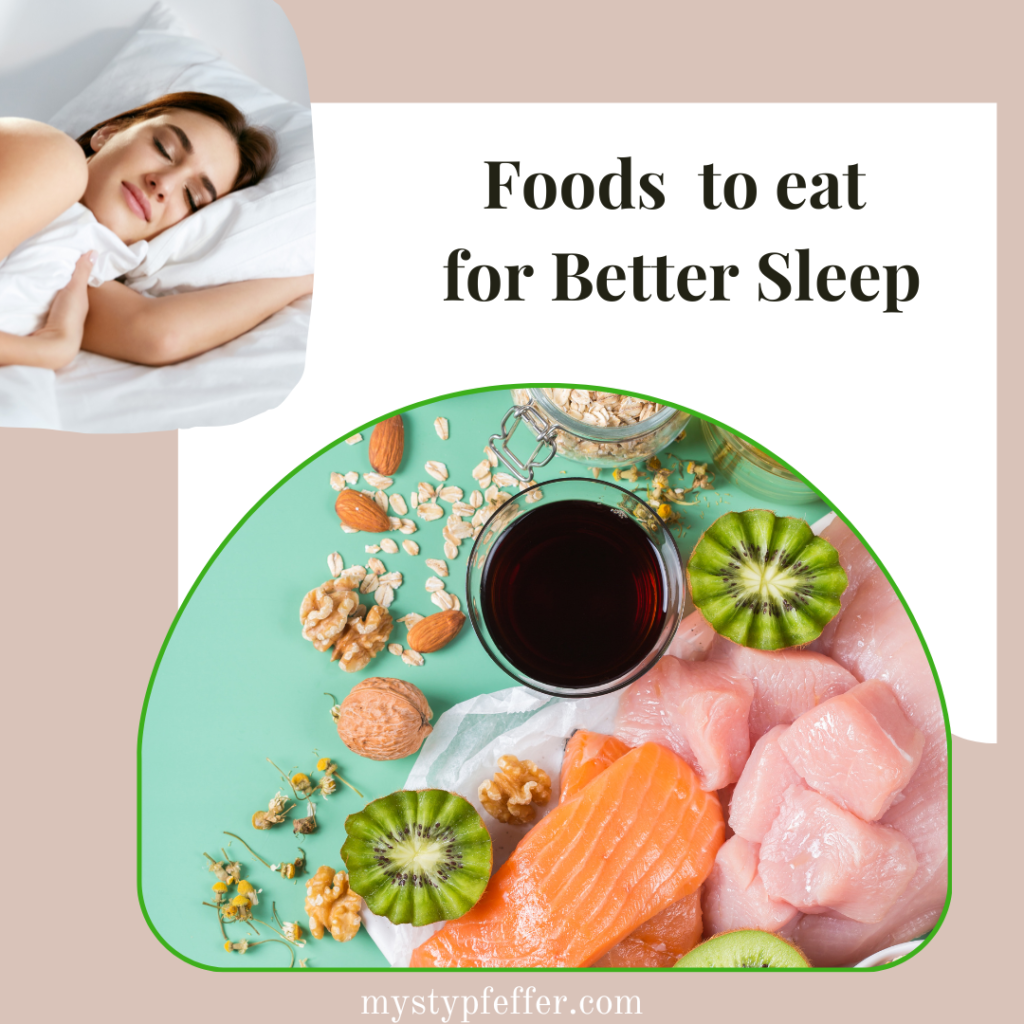
Good Sleep Renews the Body & 3 Great Foods That Help
Sleep & Brain Health Starts in Youth
The wisdom of God’s Word is timeless in all areas of the mind and body. When I think of “eating the bread of anxious toil” in regard to rest and sleep, it makes me think of ruminating. Thoughts of a sour conversation, or words spoken carelessly by me or to me, replays over and over in my mind as I long for slumber.
You and I are to rest in Him, because He gives his beloved sleep. Anxious toil like that is not meant for us, or our children. We’ve all been through tough nights, alongside our kids, and all suffer for it. A recent study supports the relationship of good rest and brain health for our kids. The Lancet Child and Adolescent Health journal released new findings in July for sleep patterns and brain health in children, ages 9-10.
The study compared children getting nine hours of sleep or more per day to those getting less than nine hours and found those with less sleep have more behavioral problems. Stress, acting out, impulsivity and aggressiveness were noted, in addition to difficulty with memory, conflict solving, and learning. (1)
We see distracted behavior and memory difficulty in all age groups, don’t we?
Sleep Deprivation in Adults
Weight Control—Difficulty recalling names, forgetting why we left the room, and where we are headed are common actions, we find ourselves doing. But do we think about how slumber even affects our weight and calorie intake? A National Institute of Health study compared adults who get six hours of sleep (the control group) to those who received sleep counseling and improved their rest 1.2 hours and found the group with less sleep consumed on average, 270 extra calories. (2) Over time, this number of calories would significantly affect weight loss if participants could get some much-needed rest!
Physical Health—According to the National Institute of Health, a good quality night’s rest is necessary for repair of blood vessels, how our bodies react to insulin, our ability to fight infection, and it promotes growth hormone that allows us to heal and repair cells. (3)
Mental Health—Studies show that insomnia and sleep disturbances affect 50% of people with anxiety. (4) Researchers are experimenting with tools to increase slow wave sleep to help alleviate this profound disorder. It is also thought that norepinephrine and serotonin systems are affected by increased REM (rapid eye movement-a lighter sleeping state) activity and contribute to depression as well. (5)
Habits for Renewing the Body with Sleep
A restful night is so important for our brain (and overall) health; it’s worth exploring how to renew the body with its many benefits. I’ve been sharing tips for improving it on my Facebook and Instagram platforms this week. Foods that help us get that night of peace, turning off electronic devices, Wi-Fi, and laying our stress before the Lord are some of the tips shared on those platforms.
Tryptophan Containing Foods—The wonderful amino acid provided naturally by God has many benefits. Unlike its synthetic counterpart made by man that has side effects like belching, skin rashes, and cramping; the preformed tryptophan in food plays a major role in producing:
1. Serotonin–mood stabilizer
2. Melatonin–sleep stabilizer
3. Kynurenine (metabolite used to produce niacin)
4. Niacin– essential for brain and heart health.
Although more studies are necessary, there is potential benefit in eating fresh fruits and vegetables as opposed to junk food. Sugar saturated and refined carbohydrate intake is associated with poor resting patterns, but more so is the consumption of energy drinks. (6) Large amounts of alcohol also affect poor sleep patterns.
B Vitamin Foods—B12 has been found to increase melatonin plasma concentrations to help train the light/dark wake cycles. So, foods highest in B12 naturally, are lamb liver and veal liver. Whole foods like clams, sardines, salmon, trout, beef, and eggs follow close behind. I have several beef and egg recipes on the Strengthen Your Heart Blog.
Fatty Fish—-Although fatty fish increases vitamin D3 and omega 3 fatty acids, both of which are important for sleep regulation, there was not sufficient proof of improved sleep in one inmate study. Incorporating fish in a daily routine can be simple and easy with Fish Tacos.
Kiwi-–This delicious fruit given to participants before bed showed improved total sleep time and sleep efficiency in one study. Study subjects also kept a diary and reported less episodes of awakening after onset of sleep. You and I can easily incorporate this fruit in our daily routines with easy recipes like Kiwi smoothies or on morning yogurt.
Cherries–A two-week study of drinking eight ounces of tart cherry juice twice daily showed significant improvement in overall insomnia and waking after sleep onset. Another study of athletes showed two servings of 30 ml cherry juice increased circulating melatonin, and improved sleep duration and quality. (6) It’s anti-inflammatory properties may be helpful in aiding sleep, too!
I love how God offers simple solutions for our sleep wake cycle in the foods He created. His Word is truly uplifting too, when are looking for understanding. He is with us through our stress and concerns. I’m pretty sure that is why He tells us not to toil over anxious thoughts, but to rest, beloved!
I look forward to sharing more with you in the weeks to come! If you need further ideas or help making decisions on your path to wellness, just let me know! I serve individuals through workshops, classes, individual, family, and group coaching.
Doherty R, Madigan S, Warrington G, Ellis J. Sleep and Nutrition Interactions: Implications for Athletes. Nutrients. 2019 Apr 11;11(4):822. doi: 10.3390/nu11040822. PMID: 30979048; PMCID: PMC6520871.
Energy-Boosting Breakfast Brownies
I love spending time with my family, and I can’t think of a better way to spend time than preparing a batch of brownies! These fiber and protein packed breakfast brownies have all the vitamins and minerals in fresh-milled whole grain, too.
I talk often about intentional eating only because I want more energy and a highly functioning body to do God’s work. I want that for you and your children too! Therefore, it’s worth taking 25 minutes out of my busy schedule to teach them how to live, prepare, and enjoy life a little more. It also helps them avoid future chronic disease.
Plus, handing them processed packaged doughnuts and cakes don’t give them the vitamins, minerals, fiber and protein they need to function in school, pay attention, and learn like these brownies will.
Brownies from the Garden? Yes, and All the Benefits too!
Now, I know you’re probably thinking brownies don’t come from the garden. However, cocoa beans come from one of the most plentiful and nutrient rich gardens in the world! They are packed with phytonutrients and minerals and according to a PubMed article they help muscle uptake of glucose for better use. The better our muscles use glucose the better we control our weight. Cocoa also helps neurons in the circulatory system improve thinking and helps boost the mood (1)
Like cocoa, dates also come from tropical areas. Although high in natural sugar and carbs, they contain a good amount of selenium, magnesium, copper, zinc, and complex B vitamins. Not only that, but they are a good source of fiber. Lord knows, we need more fiber to flush out all the toxins and chemicals we are exposed to daily.
You’ll get even more fiber, protein, B vitamins, and vitamin E in the whole grain and oats used in this brownie recipe. Plus the oats are rich in beta-glucan and known for helping to control diabetes and lower cholesterol. (2)
God’s always looking out for you and your family, my friend. Let’s give Him praise for His abundant goodness!
You and I can take comfort in knowing we have such a mighty Champion who stores up goodness for us! He is working for us, in us and through us to reach this lost and broken world. Physically and mentally, my friend! What greater peace than to take refuge in Him. Moreover, when we do, we teach our children to do the same.
They can maneuver through this life with the teachings of faithful parents and grandparents, or flounder aimlessly without purpose. Let’s take that added anxiety and frustration away by giving them the hope and confidence of God; while filling their bellies with good food.
Energy-Boosting Breakfast Brownies
1 15 oz Can Black Beans
2 Cups Fresh-Milled Soft Wheat
1 tsp Baking Powder
3 Tbsp. Cocoa Powder
1/2 Tsp Salt
2 Tbsp. Chia Seeds
2 Eggs
2 Tbsp. Ground Flax Seed
1/3 Cup Pureed Dates
1/2 Cup honey ((or sugar))
1/4 Cup Olive Oil
1 Cup Almond Milk
Preheat oven to 350 degrees.
Put 6 dates in a 1/4 cup of hot water and soak 5 minutes, then puree them in a blender
Open the beans, rinse and drain them, then puree them in a blender (or mash with a fork)
Fresh mill a cup of wheat berries and a cup of oat berries (or just use 1 cup store bought whole grain flour and 1 cup ground oats)
In a large mixing bowl add the flour, ground flax and chia seed, salt, baking powder, cocoa, and mix well.
Add the pureed beans, dates, eggs, oil, and milk and stir well.
Place the batter in an oiled 9×13 pan and bake for 25-30 minutes or until the toothpick comes out clean.
Let cool completely.
I left out my favorite walnuts in this recipe for kids at church who have nut allergies, but OH! how much better they would be with some walnuts added!
Thank you for stopping by today and checking out this brownie recipe! I look forward to serving you with any recipe ideas I come up with or come across, as well as encouragement from God’s mighty word. If you or your family need further coaching with health issues or chronic disease, contact me for affordable coaching, I am here for you.
Also, if your church wants to do bread workshops or participate in classes, I am available for speaking engagements and retreats for your ladies’ group.
References:
Latif R. Health benefits of cocoa. Curr Opin Clin Nutr Metab Care. 2013 Nov;16(6):669-74. doi: 10.1097/MCO.0b013e328365a235. PMID: 24100674.
Sang S, Chu Y. Whole grain oats, more than just a fiber: Role of unique phytochemicals. Mol Nutr Food Res. 2017 Jul;61(7). doi: 10.1002/mnfr.201600715. Epub 2017 Feb 22. PMID: 28067025.
Fresh Milled Flour & Sourdough Bread
The best part of using fresh milled flour for baking and sourdough bread is knowing all the goodness God created in the wheat is present in the bread! Learning about the ancient grains and bread making is also a treat to understand and incorporate in my daily life. I’ll give you a little history, tell you what I learned about making sourdough bread these past few months, and provide you a link to the easiest sourdough bread recipe I found. I’ll also place a link to the best video that showed me how to do it.
History of Sourdough
Although, evolutionists and Scientists teach humans were hunter gatherers before farming practices came to be, evidence is now emerging to tell a different story. Fourteen-thousand-year-old breadcrumbs from an archeological dig of Natufians in the area of the Jordan river reveal the remains of einkorn wheat, tubers, barley and oats (1). The new discovery dates flour making much older than previously thought and one researcher states maybe even as far back as hunter gathering times. It is a story similar to what we learn from Scripture.
The bible teaches that humans began farming practices with our first parent, Adam. After the fall, God told him he would work the ground in pain to eat of it all the days of his life. Among the thorns and thistles, Adam would eat the plants of the field by the sweat of his face (Genesis 3 18-19).
His son, Cain, was also a farmer. A worker of the ground, he brought to the Lord an offering from the fruit of the ground. Noah was told by God to take every sort of food that is eaten and store it up for his family and the animals (Genesis 6:21). After the flood, Noah became a man of the soil and planted a vineyard (Gen. 9:20).
The arduous task of separating the chaff and grinding the grain into a fine flour for bread must have been worth the effort. The first bread was a type of flatbread still eaten in the middle east, while the Egyptians are credited with allowing the bread to ferment. Sourdough bread found in Switzerland, is dated 3700 BCE. The bread developed gases to expand the loaf and a piece of the dough was removed and saved for adding to a fresh batch.
It is thought the dough picked up yeast from the air in a form of spontaneous fermentation. Later, yeasts were developed by bakers to make yeasted breads. However only wheat and rye varieties have enough gluten to form raised loaves.
I started using the fresh milled flour for all of my baking in September of 2021. Over the next few months, I began noticing a difference in my energy level and lack of sugar cravings. A few months later, I realized I did not get my usual sinus headache and drainage during our musty Ohio valley spring weather. I had watched Sue Brecker’s “Bread of Life” tutorial on the benefits of grain and found everything she said to be true.
Fresh Milled Flour & Sourdough Bread
Although I’m not an affiliated with this company, I found the resources at Bread Beckers very helpful! So, I bought Sue’s little red book and began making the Zojirushi versatile bread recipe. After months of fresh milling flour, making my tortillas, and experimenting I became interested in sourdough bread. If shortages continue in the food industry, I don’t want to depend on yeast to make a loaf of bread. However, living off tortillas and flatbread like Israel did for Passover is fine with me!
But since I’m a geek and love to learn new things, sourdough baking appealed to me.
Here’s is What I learned About Sourdough Baking with Fresh Milled Flour
You need a good starter. A good starter is key to making a delicious loaf of bread. Don’t get me wrong, you can begin by making your own, but it will taste very sour when you do, and it won’t rise as well. I tried to make my own starter several times and it made a low rising bread with a beer-like taste. I’d almost give up until I met a very nice girl at a lady’s summit, and we started talking about food fermentation. She was kind enough to bring me some of her sourdough starter from Italy. She’s had this starter ten years! All I can say is…IT IS THE BEST! So, thanks Chaeney!
You need patience. This is not a quick process. In fact, it is going to take 12 to 24 hours to make a loaf of bread. So be patient. On the other hand, it is very easy and requires minimal ingredients. For instance, you need fresh-milled grain, water, salt and starter. That’s it! I pick one day a week to make bread and plan my day accordingly. Mornings work better for my schedule and the first thing I do is get it out of the fridge and feed the starter. It will sit on the counter for about 6-8 hours (depending on room temperature) and when it peaks (doubles in size and is still foamy) it is ready to go into my fresh milled flour. I do all my other chores but keep an eye on the starter. When I notice it has doubled, I begin to mill my grain.
Be prepared. I watched plenty of YouTube videos to get the process down. I suggest you do the same. It helps to see what to expect as people gather their supplies and show you how to knead the dough. Here is my favorite video that showed me how to do it, Easy Everyday Sourdough Bread: Full Method and Parchment Paper Baking Trick – YouTube. Find one that works best for you. My favorite recipe to use for this sourdough bread is at Savorthebest.com, it gives you step by step instructions also and alternatives to using a Dutch oven. I’ve done a Dutch oven, an iron skillet, and my loaf pans covered with aluminum foil…it tastes the same.
The fresh-milled wheat is very nice in the recipe above, but I use 4 cups instead of 4 and 1/4 cups. Most of the bakers I watched said to use a scale and measure in grams for best results. I have not done that, but I’m still experimenting. In applying the flour, water, and folding method, I look at the moisture of the dough and keep it sticky. I have not used the fridge to raise the dough overnight either.
Once you get comfortable making the bread with fresh milled flour, you can experiment with spices and making rolls. My bread is never perfect, but it tastes good. I was able to use the Easy Sourdough Bread Recipe to make cinnamon rolls this morning, and they were delicious. They were chewy on the inside and crusty on the outside, with a honey and cinnamon center.
I know God will bless you as you learn to master this process too! Have fun and remember, what God puts in the garden is good!
If you’re looking to learn more about fresh milled flour and baking with it let me know! You can attend a bread workshop in person or on zoom to get started. Also, if you need help getting healthy, I can help! Sign up here.
Bread Workshop
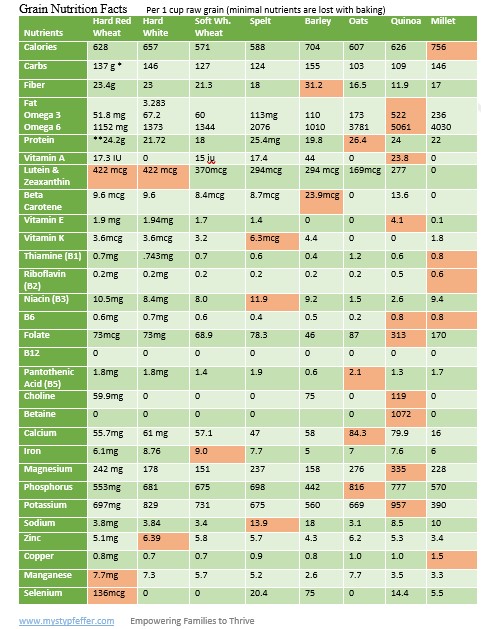
Below is a free download of my favorite grains and their nutritional value, it is available here and when you subscribe to my site! You’ll receive a weekly newsletter of tips, encouragement, and recipes! God bless you and enjoy your baking days.
I’m trying every way I can to get the children around me to eat fresh-milled flour. It’s not easy! Because they are so used to the texture of refined white flour. Especially if they have some taste/texture issues and a sensory processing disorder. In most cases, I can’t persuade or bribe three of my little ones to make sense of the grainy flour enough to take the plunge. It hits their sensitive little tongues and somehow the texture signal fires out faster than the taste neurons do.
Comparing Fresh-Milled Oat & Wheat Poptart to Store-bought
My hope is these fresh-milled oat & wheat Poptarts will taste so good they’ll won’t notice the change in texture. After all, the real fruit filling and slightly sweet pastries pack a good amount of fiber, protein, minerals, and natural B and E vitamins to start their day. Mom can rest in the knowledge she gave her child a quality breakfast treat to meet part of his daily needs, without red dye 40, synthetic vitamins, and genetically modified oils and corn syrup found in a store-bought Poptart. Plus, they’ll reduce the sugar from 25 grams to 4.9 grams, that’s cutting over 6 teaspoons of sugar to one teaspoon!
To help parents prevent future heart disease in their children, it is recommended from the American Heart Association to limit sugar to 6 teaspoons per day for children and women, and 9 teaspoons for men (1)
Oat & Wheat Strawberry Poptarts
Best of all, making a child’s own treats teaches them life skills. Not only will they use their reading, math, and science knowledge to understand a recipe, the opportunity to teach them God’s loving kindness is also present. I want the little ones in my life to know how much He cares for them in the little things. His thoughtful provision of their every need is evident in the nourishing value of the food He created. I also want them to know the choices they make now impact their quality of life later. So, eating real food, without dyes, artificial flavors, preservatives, and fillers reduce inflammation of their cells and promote better mental and physical health.
1/2 Cup Butter (I have substituted chilled organic olive oil too, and it works just as well.)
4-5 Tbsp. Kefir ( ( or almond milk, or water))
1 egg (separated)
1/2 Tsp. Salt
1/4 Tsp. Cinnamon
1/4 Tsp. Nutmeg
1 Tbsp. Sugar
Filling
1 Cup Strawberries ((Fresh or Frozen) Use any fruit you like!)
2 Tbsp. Maple Syrup (Or honey)
1 pinch salt
1 Tsp. tapioca flour
1 Tsp. vanilla
Preheat oven to 350 Degrees
Put your fruit in a small saucepan and place it on the stove on low, 1-2. Let it come to a simmer while you prepare your pastry dough but watch it and stir it occasionally to break down the fruit.
Combine your flour, salt, sugar, cinnamon, and nutmeg in a mixing bowl and whisk well. Using a pastry cutter blend in the butter (or chilled olive oil if keeping it vegan). The dough will be crumbly but dry.
Separate the egg and keep the whites for a brush over your pastry later. Add the yolk to the 4 tablespoons of kefir or milk substitute you are using to bring the dough into a formable pastry dough. If it looks dry, use the 5th tablespoon of milk. You can chill it for an hour if you like, then roll it out.
Check on your fruit filling, it should be heated and ready to purée in a blender or food processor. The fruit should have enough liquid present, so you don't have to add water, that is why you are heating it very low. But some fruit with low water content, like blueberries may need a little (say 2 Tbsp.) water added. Use your best judgment without letting it burn.
Once it is pureed, place it back on the stove and add the maple syrup or honey. It will still be too thin and watery, so add the tapioca starch and stir until the fruit thickens to a thick paste. Remove from heat and add vanilla, stir well and set aside until it cools and you work on your dough.
Preheat oven to 350 Degrees
Get your chilled dough out and place a large piece of parchment paper on the counter and another over the ball of dough. Roll the dough out thinly and evenly between the paper, then peel off the top layer of paper and cut off the outer edges. Form a square of the dough, then cut dough into small rectangles (about 2.5 inches by 3 inches). Use a fork to place small holes in the dough.
Once you have your dough pieces cut place it on the parchment paper, hole sides down on a baking sheet. Spread a teaspoon or so of the fruit filling on the inside of the square, leaving about a 1/4 of an inch unfilled dough around the edges.
Place the second piece of dough over the filling on your bottom square evenly and press the edges together with a fork. Brush with the egg whites and bake at 350 degrees for about 18-20 minutes or until golden brown.
As I type the instructions I think wow, this sounds complicated and difficult, but it’s really not. I’ll post a video. There are a few ingredients and steps to think about but assigning a child the task and asking them questions about how to create something better and more nutritious than a store-bought product will give them a sense of accomplishment.
I also think the time spent bonding together, laughing, tasting, and exploring new ideas is much more enjoyable than an evening filled with everyone in their own little electronic world. I pray you have that time together with your precious little ones! They grow up so fast, every moment with them will be cherished some day!
If you need more recipe ideas check out the Garden, I’m here to help you convert any favorite processed food into a delight from God’s garden! I am also available to pray for your family, offer educational workshops, or help coach you through a difficult time. So, just let me know by picking a time on the calendar for a free consultation here!
I look forward to serving you! God bless.
Quinoa & Black Bean Medley
A couple of years ago my daughter signed up for Purple Carrot. As with all great ideas and plans, not every recipe will please the masses. However, there was one she shared with me that featured black beans and sweet potatoes. Oh boy, was it a great combination! I can’t tell you how many times I’ve eaten it as a meal when I’m not wanting to spend a lot of time in the kitchen. My inspiration for this Quinoa & Black Bean Medley comes from that dish.
I use sauteed onions and garlic in olive oil, then add the sweet potato with salt, paprika, and cumin. After the potatoes soften a little, I add the rinsed black beans and precooked quinoa. I then top this dish off at the end with fresh oregano and kale from the garden. It is so good!
Health Benefits of Quiona & Black Bean Medley
The benefits of this medley are pretty impressive too! As many of you know quinoa is a complete protein (8grams per cup), rich in fiber (5 grams per cup), while providing a powerhouse of vitamins and minerals. So paired with the 8 grams of fiber and 7 grams of protein in black beans, you and I are one step closer to meeting our daily requirement in this dish. If that is not impressive enough, just think of the polyphenols and B vitamins present alongside garlic, onions, kale, and sweet potatoes. You’ll see the nutrition facts for this dish below in the recipe.
Sweet potatoes contain provitamin A, a nice supply of potassium, B5, B6, and naturally occurring vitamin E. Why is natural occurring vitamin E important? Because synthetic vitamin E (alpha tocopherol) has been implicated in negative outcomes for health! In a meta-analysis study it has been shown to increase all cause mortality! (1)
So, please, ditch the synthetic garbage and stick with God’s essential nutrients he provided for brain health, metabolism, energy, fighting inflammation, and disease. In addition to the sweet potato beauty, the powerhouse of kale is providing antioxidants, vitamin C, vitamin K, and calcium. It grows easily in the back yard or container garden too!
Buy some seeds in the spring and enjoy this wonderful vegetable all summer!
Snap Peas & Kale
Devotion
Moreover, feel confident in this: God knew exactly how to provide for your every need before you came to be. From reducing oxidative stress, helping your cell’s fight cancer, improving your digestive health, controlling blood sugar, and lowering your risk for chronic disease; He has a plan in the food he provides. The Psalmist is overwhelmed with God’s glory in the beauty of the moon and stars. He sees a bigger picture of life outside himself, and wonders at the mightiness of God.
It is exactly how I see God when I think of how mindful He is of us when reading about the nutrition facts in plants and animals. He also created a body for you and me that is always working overtime to undo the toxic elements it is exposed to. Although we are crowned with glory and honor and dominion over animals, plants, and creatures of the sea; alongside the great honor, comes stewardship.
When I look at your heavens, the work of your fingers, the moon and the stars, which you have set in place, what is man that you are mindful of him, and the son of man that you care for him? Yet you have made him a little lower than the heavenly beings and crowned him with glory and honor.
Humbly accepting his great gift of healing for our spiritual health occurs by accepting His Son, Jesus Christ. But mindfully choosing the food he provides for our body’s health from the garden, over man-made harmful products, is also a way to honor Him physically.
God is so worthy of praise, isn’t He?!
Quinoa & Black Bean Medley
2 Sweet Potatoes
1 Can Black Beans (rinsed and drained)
1 Cup Quinoa (Precooked)
2 Cloves Garlic (Minced)
1/2 Medium Onion
2 Tbsp. Oregano (Fresh)
2 Cups Kale (Fresh Chopped)
1 tsp Salt
1 tsp Paprika
1/2 tsp Cumin
1 Tbsp Olive extra virgin olive oil
1/2 Cup Water
Heat a skillet to low/medium heat. Add the olive oil, onions and garlic. Sauté until tender.
Add the chopped sweet potatoes and cook until tender about 5 min, Sprinkle with paprika.
Add the rinsed black beans and the water. Stir occasionally, then add the precooked quinoa. Season with salt and cumin.
Lastly, stir in the chopped oregano and kale and stir until just wilted. Serve immediately.
References:
Clarke MW, Burnett JR, Croft KD. Vitamin E in human health and disease. Crit Rev Clin Lab Sci. 2008;45(5):417-50. doi: 10.1080/10408360802118625. PMID: 18712629.
10 Evidenced-Based Reasons to Drink Kombucha
The origins of Kombucha date back to China in 220 B.C. So, for at least two thousand years the drink has been used as natural medicine in cultures around the world. For me, it has been a delicious, naturally carbonated drink to enjoy while helping heal my gut!
Although there have been many case studies and testimonies like mine regarding the use of Kombucha as a beneficial fermented drink, it’s hard to find evidence-based studies. So, my mission today is to read and relay to you what has been discovered in studies and draw conclusions for possible benefit rather than offer scientific proof.
If you haven’t heard about it yet, Kombucha is a nonalcoholic, fermented tea that contains a symbiotic culture of mycobacterium and yeast (SCOBY). People use black tea, green tea, or rooibos tea to make Kombucha. I kept asking my friend for starter several years ago and she kept telling me, “It’s not ready yet”. So, I ordered a starter from the internet, and it contained the tea and “SCOBY”.
Clarifying Confusion
I followed all the directions and joined a Facebook group to learn the process and ask questions. They were awesome helpers in this process and very knowledgeable! Although many articles call the slimy thick covering over the tea the SCOBY, this administrator informed me it is actually a “pellicle”, a byproduct of the bacteria consuming the sugar, and not necessary to produce Kombucha. In my reading of various studies, the pellicle is still regarded by some as a SCOBY and tested positive for microbial growth; although not nearly as much as the brew itself.
Whatever you call it, SCOBY/Pellicle, just know it does speed the fermentation process and make the brew stronger. But it’s not necessary to make a new batch of Kombucha.
I found I did not like the stronger brew and began leaving it out each week and just using the tea. My Kombucha tasted less yeasty and more pleasant. If you begin the process, you will adjust your brew to your tastes too. More importantly, you’ll like what science has to say about its contents.
The Pangenomics Group, School of Science, in Melbourne, Australia is one of the sources used in this article for the “general” mycobacterial content of Kombucha. Their samples were obtained from The Good Brew Kombucha Company, which produces kombucha from 75% green tea and 25% oolong tea. The amount was supplied in 330 mL glass bottles and kept refrigerated at 39 degrees Fahrenheit, which is how they are sold commercially.
10 Evidenced Based Reasons to Drink Kombucha
Kombucha contains 3.3 mg of protein per milliliter. (1) Say what?! I had no idea about its protein content before I read this article. This is good news for people who don’t eat meat, are not big eaters in general, or who have difficulty digesting beans. It is also helpful for people looking for other sources of protein when they have slowed gastric emptying like gastroparesis, since they don’t have the fully functioning stomach enzymes to properly digest protein. They don’t have to, the bacteria apparently did it and produced it for them.
Kombucha is low in sugar— Now be aware the amount of sugar varies with the brand you choose, so read your labels! Moreover, be cautious of the amount of sugar you add to the second fermentation when you make it yourself. Generally, if you follow the directions on your chart for making Kombucha, the sugar content should be consumed by the bacteria. I use 3/4 cup of sugar to 1 gallon of green tea in my first fermentation and 1 tablespoon for the second fermentation to keep the sugar content low. The batch tested from Good Brew had the following: glucose: 1.87 g/L; sucrose 1.11 g/L; fructose: 0.05 g/L (1) I use that as a “general” reference since I don’t send mine off to a laboratory for analysis.
Kombucha is High in Polyphenols—It has approximately 290mg in 100ml of tea. “There is substantial epidemiological evidence that a diet high in polyphenol-rich beverages protects against developing cardiovascular disease and type 2 diabetes. (2) The gut bacteria play a crucial role in absorbing and metabolizing polyphenols; you’ll learn more about those critters in my next point. But for now, just understand polyphenols, in many interventional and epidemiological studies, show protection against chronic diseases like high cholesterol, high blood pressure, and they help with energy metabolism (2). The rich polyphenols in green tea are of great interest for drug discovery and widely known for their hypocholesteremic, antibiotic, anticarcinogen and hypoglycemic properties {2}
Kombucha contains a Diverse number of Probiotics–There were 198 species of probiotics (Good gut microbes) found in the Good Brew sample. Again, a generalization, but still a logical guideline of hope for brews grown in home production, or through commercial consumption. More importantly, the acidity of Kombucha is very high at 3:00 very close to the acidity of the stomach. Yes, that’s a good thing! God knew what he was doing! We need that acid to digest protein components in our food! But He also lined our stomach with protective mucous so the acid would not eat a whole in our intestinal tract. The bacteria also survive and thrive in this acidic environment, therefore helping to place colonies throughout the intestine. Interestingly enough, in a study of Turkish Kombucha, the bacterial diversity was higher in the brew than in the biofilm (or pellicle as mentioned above) with a peak on the seventh day of fermentation. The biochemical properties changed as the fermentation progressed. The beneficial properties of the beverage such as the radical scavenging ability increased significantly with a maximum increase at day 7 in this study [3]
The good bacteria and Yeast in Kombucha destroy pathogenic bacteria and yeast Although this is information occurred in a laboratory and in vitro (in test tubes), it’s still pretty impressive! The battle of the bacteria and yeast progresses as each are identified days 3 and 7, as they are counted under powerful microscopes! Home batches obtained in Egypt and Saudi Arabia showed Staphylococcus Aureus and E. Coli were the most susceptible to our SCOBY friends, while showing good antifungal activity against A. flavus and A. Niger (strains of harmful yeast). [4] So, if you’ve been afraid of trying Kombucha because of yeast overgrowth, fear no more. Pathogenic bacteria steadily declined in the presence of Kombucha probiotics. It is thought, the production of acetic acid from the SCOBY is responsible for pathogen decline. [4]
Kombucha reverses Type 2 Diabetes in Rat Experiment—A food engineering and biotechnology institute in China induced Type2 DM in rats then treated them with Kombucha. It is thought the development of Type 2 DM occurs through gut microbiome imbalance (as discussed in point 5). The development of T2DM is thought to progress through three pathways, including the short-chain fatty acid pathway, endotoxin pathway and bile acid pathway [5] Four weeks of kombucha intervention increased the abundance of short chain fatty acids (SCFAs) producing bacteria and reducing gram-negative bacteria. The improvement in gut microbiota reduced the damage to the intestinal barrier, hence reducing the displacement of lipopolysaccharide (LPS) and stopping inflammation and insulin resistance in the rats. In addition, the increased levels of SCFAs also improved islet B cell function by promoting secretion of gastrointestinal hormones GLP-1/PYY. GLP-1 is the hormone that tells your brain you are full and slows stomach emptying of food to the intestine. PYY is a peptide to slow digestion and give you a sense of satiety also. It’s funny how all of these things occur in the gut to help us heal. I met a lady at my AZURE standard drop and she told me giving her elderly mother a small amount of kombucha each day helped lower her blood sugars. They continued to improve to the point of removing all of her medication. I know this is just a case study, but in light of the rat study, it’s worth investigating further.
Kombucha and reduced damage of heavy metal toxicity–Another study done in India on rats induced with lead poisoning, researchers observed DNA fragmentation and lipid peroxidation. In lipid peroxidation free radicals steal electrons from lipids in the cell membranes resulting in cell damage. When the rats were given kombucha to drink, there was reduced lipid peroxidation and DNA damage. Since lipid damage is implicated in many vascular diseases, this explains why Kombucha can be a therapeutic agent in helping decrease inflammation.
Kombucha helped a cancer drug lower cancer activity—-Scientist combined kombucha with doxorubicin and found that it increased anticancer activity in test tubes. [7] In addition to supporting the detoxification of the liver in rats, consumption of Kombucha is also known to help excrete heavy metal substances and environmental pollutants from the human body through the kidneys. [
The probiotics in Kombucha produce glucuronic acid. Glucuronic acid helps the liver detoxify certain drugs like alcohol, morphine, steroids, benzodiazepines, Tylenol, and NSAIDs in vitro. So, if you’re looking for a good detoxification drink, look no further. Glucuronic acid is also thought to help with the metabolism of steroid hormones and aldosterone. [8]
Kombucha has a respectable amount of B vitamins and Vitamin C. A generalized amount of B and C vitamins in Kombucha help build the immune system, provided energy, and fight infection and cancer. Combined with the high amount of polyphenols, it’s no wonder it has been effective in destroy even H. pylori! [8]. The general concentration of vitamins in Kombucha per Villarreal‐Soto and associates from Univ. de Toulouse were as follows:
Villarreal‐Soto and associates from Univ. de Toulouse, France [9]
Vitamin B1
0.74 mg/mL
70 g/L
15
Vitamin B2
8 mg/100 mL
70 g/L
10
Vitamin B6
0.52 mg/mL
70 g/L
15
Vitamin B12
0.84 mg/mL
70 g/L
15
Vitamin C
25 mg/L
70 g/L
10
I hope you have enjoyed reading the 10 Evidenced-based reasons to drink Kombucha. As you can see, there is exciting research in the area of kombucha brewing and its benefits!
One last point, the temperature of the room does affect growth and fermentation rates of the brew. So, I do keep my room between 68 and 78 degrees. When it’s too hot is speeds up fermentation and yeast production and when it’s too cold it slows it down. Also, I am very careful to clean everything, so it does not get contaminated with mold.
I am happy to share my video of Kombucha making with you to see how I make my weekly batch. I pray you have a good week and stay healthy eating what God puts in the garden!
God Bless!
References:
Kaashyap M, Cohen M, Mantri N. Microbial Diversity and Characteristics of Kombucha as Revealed by Metagenomic and Physicochemical Analysis. Nutrients. 2021;13(12):4446. Published 2021 Dec 13. doi:10.3390/nu13124446
Williamson G. The role of polyphenols in modern nutrition. Nutr Bull. 2017 Sep;42(3):226-235. doi: 10.1111/nbu.12278. Epub 2017 Aug 15. PMID: 28983192; PMCID: PMC5601283.
Arıkan, M., Mitchell, A. L., Finn, R. D., & Gürel, F. (2020). Microbial composition of Kombucha determined using amplicon sequencing and shotgun metagenomics. Journal of food science, 85(2), 455–464. https://doi.org/10.1111/1750-3841.14992
Al-Mohammadi, A. R., Ismaiel, A. A., Ibrahim, R. A., Moustafa, A. H., Abou Zeid, A., & Enan, G. (2021). Chemical Constitution and Antimicrobial Activity of Kombucha Fermented Beverage. Molecules (Basel, Switzerland), 26(16), 5026. https://doi.org/10.3390/molecules26165026
Xu, S., Wang, Y., Wang, J., & Geng, W. (2022). Kombucha Reduces Hyperglycemia in Type 2 Diabetes of Mice by Regulating Gut Microbiota and Its Metabolites. Foods (Basel, Switzerland), 11(5), 754. https://doi.org/10.3390/foods11050754
Dipti P, Yogesh B, Kain AK, Pauline T, Anju B, Sairam M, Singh B, Mongia SS, Kumar GI, Selvamurthy W. Lead induced oxidative stress: beneficial effects of Kombucha tea. Biomed Environ Sci. 2003 Sep;16(3):276-82. PMID: 14631833.
Rasouli L, Aryaeian N, Gorjian M, Nourbakhsh M, Amiri F. Evaluation of cytotoxicity and anticancer activity of kombucha and doxorubicin combination therapy on colorectal cancer cell line HCT-116. J Educ Health Promot. 2021 Oct 29;10:376. doi: 10.4103/jehp.jehp_1456_20. PMID: 34912912; PMCID: PMC8641728.
Mousavi, S. M., Hashemi, S. A., Zarei, M., Gholami, A., Lai, C. W., Chiang, W. H., Omidifar, N., Bahrani, S., & Mazraedoost, S. (2020). Recent Progress in Chemical Composition, Production, and Pharmaceutical Effects of Kombucha Beverage: A Complementary and Alternative Medicine. Evidence-based complementary and alternative medicine : eCAM, 2020, 4397543. https://doi.org/10.1155/2020/4397543
Villarreal‐Soto S. A., Beaufort S., Bouajila J., Souchard J.-P., Taillandier P. Understanding kombucha tea fermentation: a review. Journal of Food Science. 2018;83(3):580–588.
Chakravorty S, Bhattacharya S, Chatzinotas A, Chakraborty W, Bhattacharya D, Gachhui R. Kombucha tea fermentation: Microbial and biochemical dynamics. Int J Food Microbiol. 2016 Mar 2;220:63-72. doi: 10.1016/j.ijfoodmicro.2015.12.015. Epub 2016 Jan 7. PMID: 26796581.
1 Prep Day for Fabulous Fresh-Milled Grains
A prep day with fresh-milled grains makes my life easier and more enjoyable. It also helps me stay on track with eating healthier. Last September I began watching Annette Reeder, the Biblical Nutritionist interview Sue Becker from Bread Becker’s. They were discussing the benefits of using fresh-milled grain in bread making.
I soon found myself watching more videos about the process and benefits. Sue’s video on The Bread of Life, a biblical and science-based class on the wheat kernel convinced me I needed to try the process. I soon ordered a refurbished grain mill from Nutrimill and my first pails of hard red and hard white wheat.
Needless to say, it has been an adventure and learning curve for me! But one I’ve enjoyed immensely.
Here’s what I Learned About Using Fresh-milled Grains:
Fresh-milled whole grain soaks up water slowly, be patient and don’t add too much too soon.
I have more luck with hard white and hard red for all baking, rather than soft White wheat. Soft white just did not work for my cookies or muffins, I’m not sure why.
My hair is thicker and healthier.
My husband’s cholesterol is now perfect, and his fingers no longer break out in the winter.
I did not get bronchitis last fall or this spring from seasonal allergies, like I usually do. In fact, after two months, I did not even get a sinus headache.
I am a meat eater, so I don’t have to worry about the phytic acid in grains depleting my ability to absorb minerals, and neither do you! The release phytates combine to cadmium and lead in the body and remove them. Plus, they play a role in lowering blood sugar. Another advantage to preparing all your goodies with fresh-milled grains.
Gluten free grains are also available and can be incorporated into recipes with some extra work, I try to share as many as I can because, several of my friends and family are gluten sensitive.
Fresh Milled Flour & Sourdough Bread
There is more, but I really want to talk about preparation day. I start with cooking a cup of quinoa then milling the grain and getting all my supplies ready.
Since my favorite thing in the kitchen to make is tortilla shells, I had to get that recipe right. I also use the Zojirushi recipe as a guide to make my weekly loaves of regular sandwich bread and adjust it for my breakfast bread. It’s very versatile and I can add what I like and remove what I don’t like.
I’ve noticed the sunflower lecithin does make a nice fluffy loaf, but it caused my friend, who has lupus, a lot of muscle discomfort. So, I no longer use it in my basic recipes, although I use eggs (which contains lecithin) but eggs don’t bother her…go figure.
Benefits of Fresh-Milled Grain
There are so many benefits to fresh-milled grain! I made a list on a pdf if you’re interested in checking out. The best way to maximize those benefits is to make a multi-grain loaf for yourself and your family. For instance, hard red wheat is highest in selenium (136 mcg per cup). Oats are highest in pantothenic acid (B5) and calcium. Soft white is highest in iron, while hard white is just a smidge higher than oats in zinc. Quinoa (the seed) is the powerhouse because it’s highest in protein, B6, folate, Vitamin E, choline, betaine, magnesium, and potassium.
God’s design and plan for our provision is always uplifting and exciting to me, and you’ll see my joy in the attached video of my bread making day below. I love how Deuteronomy 8:6-10 set up the promise of bounty for the nation of Israel as they are getting ready to enter the promised land. It will go well for them if they obey God’s commandments, just like it goes well for us physically, mentally, and spiritually when we obey.
So, you shall keep the commandments of the Lord your God by walking in his ways and by fearing him. For the Lord your God is bringing you into a good land, a land of brooks of water, of fountains and springs, flowing out in the valleys and hills, a land of wheat and barley, of vines and fig trees and pomegranates, a land of olive trees and honey, a land in which you will eat bread without scarcity, in which you will lack nothing, a land whose stones are iron, and out of whose hills you can dig copper. And you shall eat and be full, and you shall bless the Lord your God for the good land as given you.
I read about Israel’s promises and can’t help but think about our own country’s foundation and Christian principles. We are beyond blessed to be given such good land here in the USA too! A land in which we have eaten without scarcity! It is so exciting to me to see God’s plan for all of His children continually unfolding. He is worthy of praise!
Here are my two favorite fresh-milled grain recipes to snack on as I prepare for my week of worship to our worthy Creator. I pray you find them enjoyable as well! Contact me if you want a workshop in person, at your church, social club, or on zoom! It’s one of my favorite things to do!
Quinoa & Walnut Bread
4 Cups Hard Red Wheat (Fresh Milled)
1 Tbsp. Yeast
1 Tsp Sugar
1.5 Tsp. Salt
1 Cup Quinoa
1 Cup Walnuts (Finely Chopped)
1/3 Cup Extra Virgin Olive Oil
1 1/2 Cups Water (Lukewarm)
1 Egg
Mix 2 cups of fresh-milled flour in a bowl with salt, yeast, and sugar. Add the water, egg, and olive oil and mix well.
Slowly add the 3rd cup of flour, then nuts and quinoa. Begin folding the dough in the bowl with a spatula. Add the 4th cup of flour and continue to fold the flour into the dough until it is all incorporated.
Cover and set in a warm place to rise until double in size (about an hour).
Once it has raised, punch it down and knead on a lightly floured surface about 3-4 minutes. Divide into two loaves and place them in greased loaf pans to let rise again until double.
Bake at 350 degrees for 28-30 minutes or until toothpick comes out clean. Let cool and slice as desired. I store my in the fridge once it is cooled.
Fresh Milled Grain Nutriton Graphic
Quinoa & Chia Tortillas
2 Cups Hard Red Wheat (Fresh-milled)
1 Tsp Salt
1/3 Cup Extra Virgin Olive Oil
1 Tsp Onion Powder
1/2 Cup Quinoa (Precooked)
3 Tbsp. Chia Seeds
1 Cup Hot Water
Preheat skillet on low with no oil.
In a large bowl combine 1 1/2 cups of the flour with salt and onion powder. Add the chia seeds and quinoa.
Then add the water and oil. Combine well and slowly add more flour 1/4 cup at at time until dough is no longer sticky, but soft and pliable. (Usually a total of 2 -2 1/4 cups of flour is used, plus more for dusting. Set aside and let the flour soak up all the liquid for about five minutes.
Once dough has rested, divide the dough into balls and make each one a flat disc shape. Roll out on a lightly floured surface until thin, then place in the ungreased skillet for about a minute on each side. Don't leave them too long, you'll have crackers. They should be soft and pliable.
Continue with each ball that is made, mine made 10 medium sized tortillas, you can make them as small or as large as you like. When they are cooled, I store them in the fridge.