10 Evidenced-Based Reasons to Drink Kombucha

The origins of Kombucha date back to China in 220 B.C. So, for at least two thousand years the drink has been used as natural medicine in cultures around the world. For me, it has been a delicious, naturally carbonated drink to enjoy while helping heal my gut!

Although there have been many case studies and testimonies like mine regarding the use of Kombucha as a beneficial fermented drink, it’s hard to find evidence-based studies. So, my mission today is to read and relay to you what has been discovered in studies and draw conclusions for possible benefit rather than offer scientific proof.

If you haven’t heard about it yet, Kombucha is a nonalcoholic, fermented tea that contains a symbiotic culture of mycobacterium and yeast (SCOBY). People use black tea, green tea, or rooibos tea to make Kombucha. I kept asking my friend for starter several years ago and she kept telling me, “It’s not ready yet”. So, I ordered a starter from the internet, and it contained the tea and “SCOBY”.

Clarifying Confusion

I followed all the directions and joined a Facebook group to learn the process and ask questions. They were awesome helpers in this process and very knowledgeable! Although many articles call the slimy thick covering over the tea the SCOBY, this administrator informed me it is actually a “pellicle”, a byproduct of the bacteria consuming the sugar, and not necessary to produce Kombucha. In my reading of various studies, the pellicle is still regarded by some as a SCOBY and tested positive for microbial growth; although not nearly as much as the brew itself.

Whatever you call it, SCOBY/Pellicle, just know it does speed the fermentation process and make the brew stronger. But it’s not necessary to make a new batch of Kombucha.

I found I did not like the stronger brew and began leaving it out each week and just using the tea. My Kombucha tasted less yeasty and more pleasant. If you begin the process, you will adjust your brew to your tastes too. More importantly, you’ll like what science has to say about its contents.

The Pangenomics Group, School of Science, in Melbourne, Australia is one of the sources used in this article for the “general” mycobacterial content of Kombucha. Their samples were obtained from The Good Brew Kombucha Company, which produces kombucha from 75% green tea and 25% oolong tea. The amount was supplied in 330 mL glass bottles and kept refrigerated at 39 degrees Fahrenheit, which is how they are sold commercially.

10 Evidenced Based Reasons to Drink Kombucha

  1. Kombucha contains 3.3 mg of protein per milliliter. (1) Say what?! I had no idea about its protein content before I read this article. This is good news for people who don’t eat meat, are not big eaters in general, or who have difficulty digesting beans. It is also helpful for people looking for other sources of protein when they have slowed gastric emptying like gastroparesis, since they don’t have the fully functioning stomach enzymes to properly digest protein. They don’t have to, the bacteria apparently did it and produced it for them.
  2. Kombucha is low in sugar— Now be aware the amount of sugar varies with the brand you choose, so read your labels! Moreover, be cautious of the amount of sugar you add to the second fermentation when you make it yourself. Generally, if you follow the directions on your chart for making Kombucha, the sugar content should be consumed by the bacteria. I use 3/4 cup of sugar to 1 gallon of green tea in my first fermentation and 1 tablespoon for the second fermentation to keep the sugar content low. The batch tested from Good Brew had the following: glucose: 1.87 g/L; sucrose 1.11 g/L; fructose: 0.05 g/L (1) I use that as a “general” reference since I don’t send mine off to a laboratory for analysis.
  3. Kombucha is High in Polyphenols—It has approximately 290mg in 100ml of tea. “There is substantial epidemiological evidence that a diet high in polyphenol-rich beverages protects against developing cardiovascular disease and type 2 diabetes. (2) The gut bacteria play a crucial role in absorbing and metabolizing polyphenols; you’ll learn more about those critters in my next point. But for now, just understand polyphenols, in many interventional and epidemiological studies, show protection against chronic diseases like high cholesterol, high blood pressure, and they help with energy metabolism (2). The rich polyphenols in green tea are of great interest for drug discovery and widely known for their hypocholesteremic, antibiotic, anticarcinogen and hypoglycemic properties {2}
  4. Kombucha contains a Diverse number of Probiotics–There were 198 species of probiotics (Good gut microbes) found in the Good Brew sample. Again, a generalization, but still a logical guideline of hope for brews grown in home production, or through commercial consumption. More importantly, the acidity of Kombucha is very high at 3:00 very close to the acidity of the stomach. Yes, that’s a good thing! God knew what he was doing! We need that acid to digest protein components in our food! But He also lined our stomach with protective mucous so the acid would not eat a whole in our intestinal tract. The bacteria also survive and thrive in this acidic environment, therefore helping to place colonies throughout the intestine.
    Interestingly enough, in a study of Turkish Kombucha, the bacterial diversity was higher in the brew than in the biofilm (or pellicle as mentioned above) with a peak on the seventh day of fermentation. The biochemical properties changed as the fermentation progressed. The beneficial properties of the beverage such as the radical scavenging ability increased significantly with a maximum increase at day 7 in this study [3]
  5. The good bacteria and Yeast in Kombucha destroy pathogenic bacteria and yeast Although this is information occurred in a laboratory and in vitro (in test tubes), it’s still pretty impressive! The battle of the bacteria and yeast progresses as each are identified days 3 and 7, as they are counted under powerful microscopes! Home batches obtained in Egypt and Saudi Arabia showed Staphylococcus Aureus and E. Coli were the most susceptible to our SCOBY friends, while showing good antifungal activity against A. flavus and A. Niger (strains of harmful yeast). [4] So, if you’ve been afraid of trying Kombucha because of yeast overgrowth, fear no more. Pathogenic bacteria steadily declined in the presence of Kombucha probiotics. It is thought, the production of acetic acid from the SCOBY is responsible for pathogen decline. [4]
  6. Kombucha reverses Type 2 Diabetes in Rat Experiment—A food engineering and biotechnology institute in China induced Type2 DM in rats then treated them with Kombucha. It is thought the development of Type 2 DM occurs through gut microbiome imbalance (as discussed in point 5). The development of T2DM is thought to progress through three pathways, including the short-chain fatty acid pathway, endotoxin pathway and bile acid pathway [5] Four weeks of kombucha intervention increased the abundance of short chain fatty acids (SCFAs) producing bacteria and reducing gram-negative bacteria. The improvement in gut microbiota reduced the damage to the intestinal barrier, hence reducing the displacement of lipopolysaccharide (LPS) and stopping inflammation and insulin resistance in the rats.
    In addition, the increased levels of SCFAs also improved islet B cell function by promoting secretion of gastrointestinal hormones GLP-1/PYY. GLP-1 is the hormone that tells your brain you are full and slows stomach emptying of food to the intestine. PYY is a peptide to slow digestion and give you a sense of satiety also.
    It’s funny how all of these things occur in the gut to help us heal. I met a lady at my AZURE standard drop and she told me giving her elderly mother a small amount of kombucha each day helped lower her blood sugars. They continued to improve to the point of removing all of her medication. I know this is just a case study, but in light of the rat study, it’s worth investigating further.
  7. Kombucha and reduced damage of heavy metal toxicity–Another study done in India on rats induced with lead poisoning, researchers observed DNA fragmentation and lipid peroxidation. In lipid peroxidation free radicals steal electrons from lipids in the cell membranes resulting in cell damage. When the rats were given kombucha to drink, there was reduced lipid peroxidation and DNA damage. Since lipid damage is implicated in many vascular diseases, this explains why Kombucha can be a therapeutic agent in helping decrease inflammation.
  8. Kombucha helped a cancer drug lower cancer activity—-Scientist combined kombucha with doxorubicin and found that it increased anticancer activity in test tubes. [7] In addition to supporting the detoxification of the liver in rats, consumption of Kombucha is also known to help excrete heavy metal substances and environmental pollutants from the human body through the kidneys. [
  9. The probiotics in Kombucha produce glucuronic acid. Glucuronic acid helps the liver detoxify certain drugs like alcohol, morphine, steroids, benzodiazepines, Tylenol, and NSAIDs in vitro. So, if you’re looking for a good detoxification drink, look no further. Glucuronic acid is also thought to help with the metabolism of steroid hormones and aldosterone. [8]
  10. Kombucha has a respectable amount of B vitamins and Vitamin C. A generalized amount of B and C vitamins in Kombucha help build the immune system, provided energy, and fight infection and cancer. Combined with the high amount of polyphenols, it’s no wonder it has been effective in destroy even H. pylori! [8]. The general concentration of vitamins in Kombucha per Villarreal‐Soto and associates from Univ. de Toulouse were as follows:
Villarreal‐Soto and associates
from Univ. de Toulouse, France [9]
Vitamin B1 0.74 mg/mL 70 g/L 15
Vitamin B2 8 mg/100 mL 70 g/L 10
Vitamin B6 0.52 mg/mL 70 g/L 15
Vitamin B12 0.84 mg/mL 70 g/L 15
Vitamin C 25 mg/L 70 g/L 10

I hope you have enjoyed reading the 10 Evidenced-based reasons to drink Kombucha. As you can see, there is exciting research in the area of kombucha brewing and its benefits!

One last point, the temperature of the room does affect growth and fermentation rates of the brew. So, I do keep my room between 68 and 78 degrees. When it’s too hot is speeds up fermentation and yeast production and when it’s too cold it slows it down. Also, I am very careful to clean everything, so it does not get contaminated with mold.

I am happy to share my video of Kombucha making with you to see how I make my weekly batch. I pray you have a good week and stay healthy eating what God puts in the garden!

God Bless!

References:

  1. Kaashyap M, Cohen M, Mantri N. Microbial Diversity and Characteristics of Kombucha as Revealed by Metagenomic and Physicochemical Analysis. Nutrients. 2021;13(12):4446. Published 2021 Dec 13. doi:10.3390/nu13124446
  2. Williamson G. The role of polyphenols in modern nutrition. Nutr Bull. 2017 Sep;42(3):226-235. doi: 10.1111/nbu.12278. Epub 2017 Aug 15. PMID: 28983192; PMCID: PMC5601283.
  3. Arıkan, M., Mitchell, A. L., Finn, R. D., & Gürel, F. (2020). Microbial composition of Kombucha determined using amplicon sequencing and shotgun metagenomics. Journal of food science85(2), 455–464. https://doi.org/10.1111/1750-3841.14992
  4. Al-Mohammadi, A. R., Ismaiel, A. A., Ibrahim, R. A., Moustafa, A. H., Abou Zeid, A., & Enan, G. (2021). Chemical Constitution and Antimicrobial Activity of Kombucha Fermented Beverage. Molecules (Basel, Switzerland)26(16), 5026. https://doi.org/10.3390/molecules26165026
  5. Xu, S., Wang, Y., Wang, J., & Geng, W. (2022). Kombucha Reduces Hyperglycemia in Type 2 Diabetes of Mice by Regulating Gut Microbiota and Its Metabolites. Foods (Basel, Switzerland)11(5), 754. https://doi.org/10.3390/foods11050754
  6. Dipti P, Yogesh B, Kain AK, Pauline T, Anju B, Sairam M, Singh B, Mongia SS, Kumar GI, Selvamurthy W. Lead induced oxidative stress: beneficial effects of Kombucha tea. Biomed Environ Sci. 2003 Sep;16(3):276-82. PMID: 14631833.
  7. Rasouli L, Aryaeian N, Gorjian M, Nourbakhsh M, Amiri F. Evaluation of cytotoxicity and anticancer activity of kombucha and doxorubicin combination therapy on colorectal cancer cell line HCT-116. J Educ Health Promot. 2021 Oct 29;10:376. doi: 10.4103/jehp.jehp_1456_20. PMID: 34912912; PMCID: PMC8641728.
  8. Mousavi, S. M., Hashemi, S. A., Zarei, M., Gholami, A., Lai, C. W., Chiang, W. H., Omidifar, N., Bahrani, S., & Mazraedoost, S. (2020). Recent Progress in Chemical Composition, Production, and Pharmaceutical Effects of Kombucha Beverage: A Complementary and Alternative Medicine. Evidence-based complementary and alternative medicine : eCAM2020, 4397543. https://doi.org/10.1155/2020/4397543
  9. Villarreal‐Soto S. A., Beaufort S., Bouajila J., Souchard J.-P., Taillandier P. Understanding kombucha tea fermentation: a review. Journal of Food Science. 2018;83(3):580–588.

Chakravorty S, Bhattacharya S, Chatzinotas A, Chakraborty W, Bhattacharya D, Gachhui R. Kombucha tea fermentation: Microbial and biochemical dynamics. Int J Food Microbiol. 2016 Mar 2;220:63-72. doi: 10.1016/j.ijfoodmicro.2015.12.015. Epub 2016 Jan 7. PMID: 26796581.


Sweet Potato & Asparagus Frittata

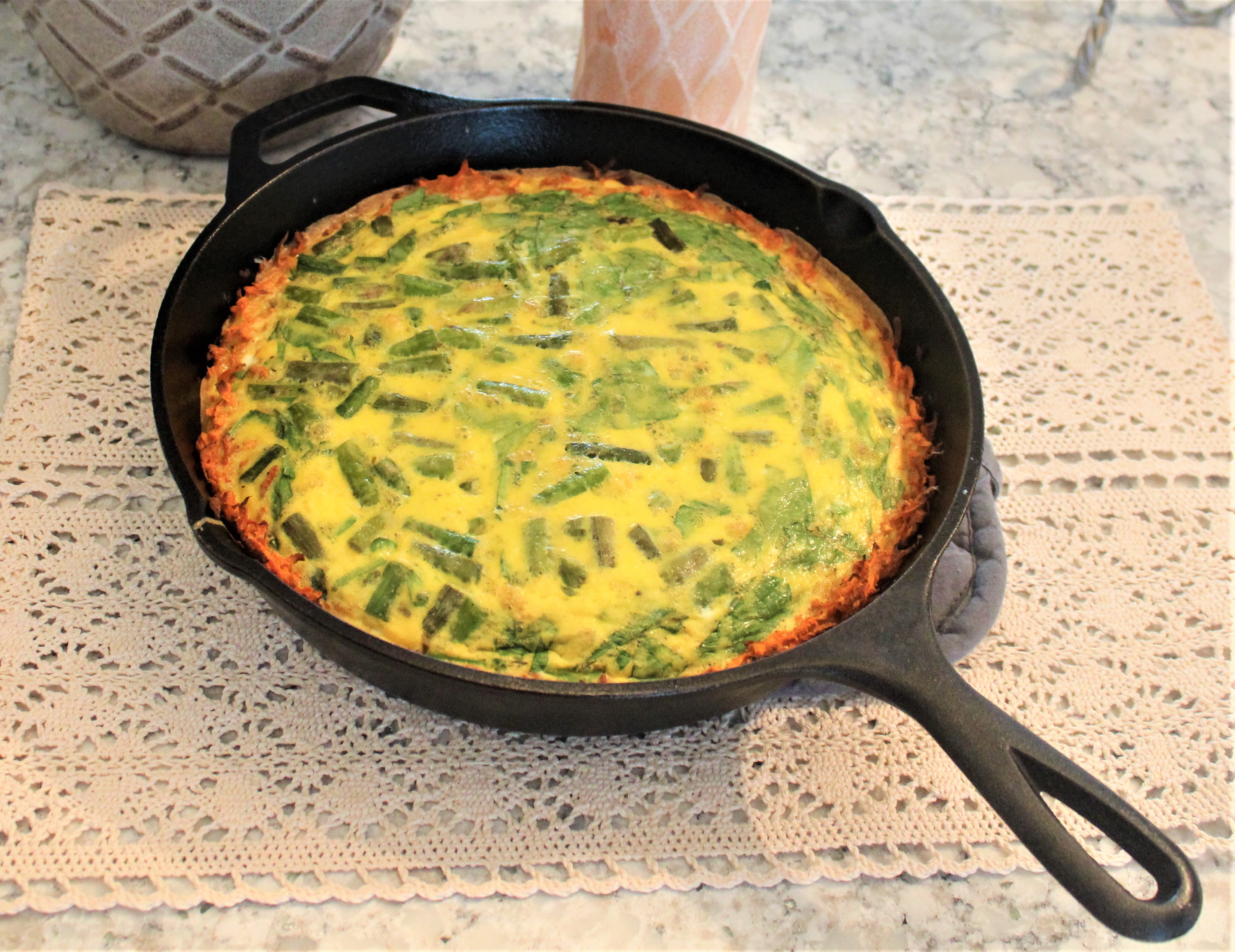
I had left over asparagus sauteed in garlic from dinner last night and thoughts of adding it to a sweet potato frittata was born! It’s a simple, delicious, dairy free and gluten free dish for a brunch my friends and I are enjoying today.

Since I love making easy main dishes, this is a no-brainer!

And the best part of making a sweet potato & asparagus frittata is the flavors blend well for breakfast or brunch. My keto friendly family and friends will also be happy with the lower carb and calorie calculations. The combined nutritional benefits of sweet potatoes & asparagus are impressive also.

Benefits of Sweet Potato & Asparagus

Sweet potatoes are rich in beta carotene, an antioxidant thought to help fight cancer and improve vision. It is a good source of fiber (about 3 grams per 3 ounces) Vitamin A, B6, and C, while also providing a portion of every amino acid needed to build protein except hydroxyproline.

What’s good to know about vitamin B6 is it is responsible for over 100 enzyme actions responsible for metabolizing protein. It is helpful for the heart because it balances homocysteine levels in the blood. Not only that, but it builds the immune system by forming lymphocytes and builds blood by helping produce hemoglobin (the molecule that carries oxygen through the blood) (1) B6 is important for cognitive function and neurotransmitter function too!

One cup of chickpeas contains the highest amount of B6 at 1.1mg/serving followed by beef liver, tuna (0.9mg/serving), and salmon (0.6mg/serving).

Asparagus is rich in vitamin K and folate. Folate is vital for preventing neural tube defects in a growing fetus and is important for DNA reproduction. The natural form is called folate, while the synthetic form is called folic acid. Asparagus has good amounts of flavonoids that help fight cancer, lower blood pressure, and help fight bacteria and viruses (2)

God’s Plan in The Garden

I read about the benefits of garden plants and see precision in how God cares for His prize creation.

Yes, you and I are part of His prize creation. We are made in His image and likeness. Therefore, respecting and being good stewards of our bodes involves filling them with gifts from His designed garden. We can honor His gift of resilient bodies He gave us by sustaining and nourishing them with foods like these. Just as God prepared His Word to nourish our souls. Teaching our children and their children the same principles help them know God, and His goodness, while giving their cells the ability to fight disease as they age.

 “Only take care, and keep your soul diligently, lest you forget the things that your eyes have seen, and lest they depart from your heart all the days of your life. Make them known to your children and your children’s children

Deuteronomy 4:8-10 ESV – And what great nation is there, that – Bible Gateway


Sweet Potato & Asparagus Frittata

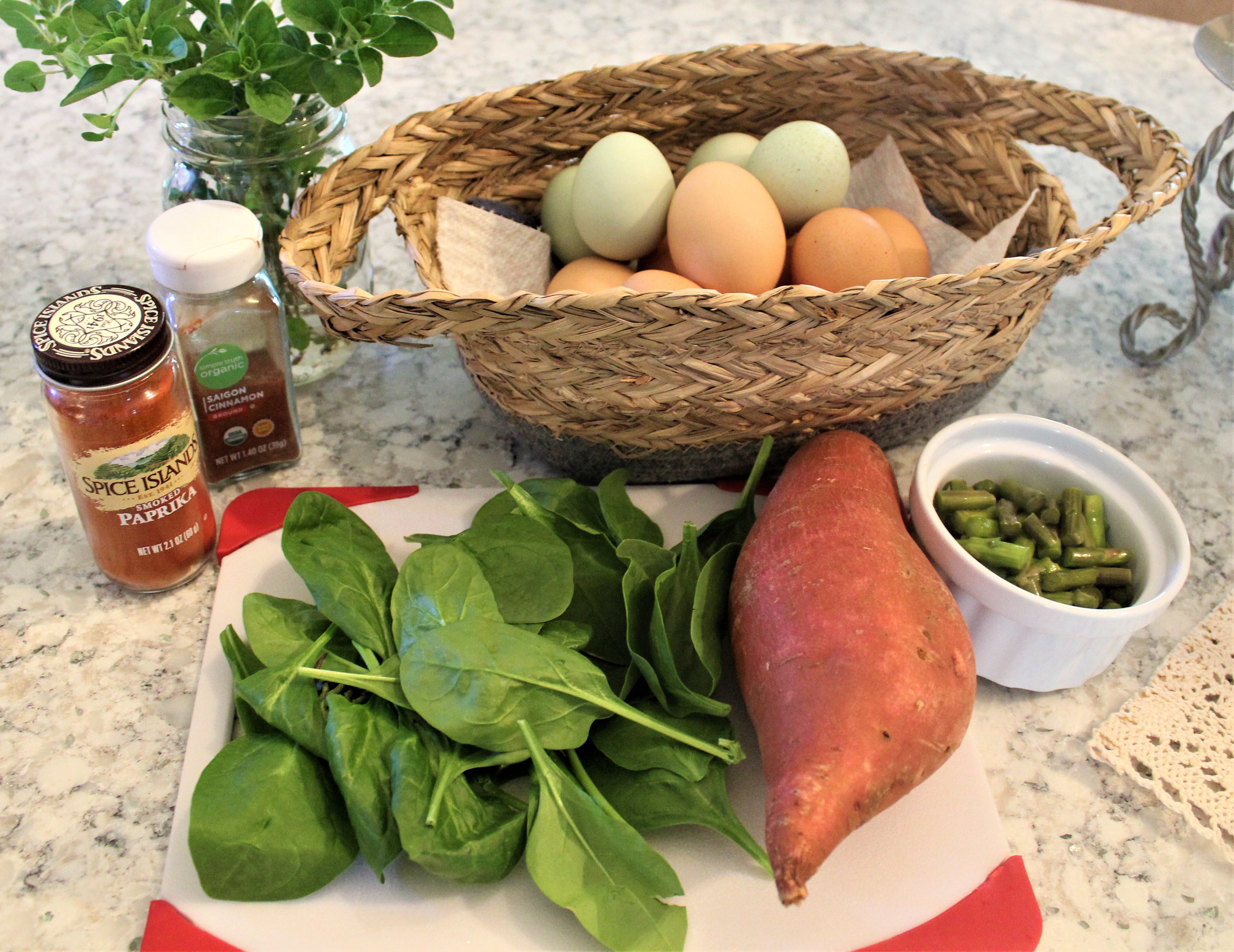
  • 1 1/2 Cups Sweet Potato (Grated)
  • 1 Cloves Garlic
  • 1 Cup Asparagus
  • 1 Cup Spinach
  • 2 Tsp Avocado Oil
  • 10 Eggs
  • 1/4 Cup Romano Cheese (Grated)
  • 1 TSp Onion Powder
  • 1/2 Tsp Paprika
  • Pinch Cinnamon
  • 1/2 Tsp Pepper
  • 1/4 Cup Almond Milk (Unsweetened)
  • 1 Tbsp. Oregano (chopped)
  1. Preheat oven to 375 degrees.

  2. In an iron skillet (or other oven compatibale skillet) sautee 1 cloves of minced garlic in 2 tsp avocado oil for about a minute. Add the chopped asparagus and cook until just tender about a minute. Salt to taste then remove asparagus to a bowl and set aside.

  3. In the same oiled skilled add the shredded sweet potato, paprika, cinnamon, and pepper. Mix spices and oil into the potato slightly and spread it over the bottom of the skillet and up the sides. Bake in the oven 15 minutes.

  4. Meanwhile prepare the eggs in a large bowl by adding salt, onion powder, a dash of pepper and 1 tbsp. chopped oregain. Then add the milk and whisk well.

  5. Once the potatoes have cooked 15 minutes remove them from the oven and pour the egg mixture over the potatoes. Spread the chopped spinach and chopped asparagus evenly over the eggs. Top with the shredded Romano cheese and bake for 15-20 minutes or until eggs are done.


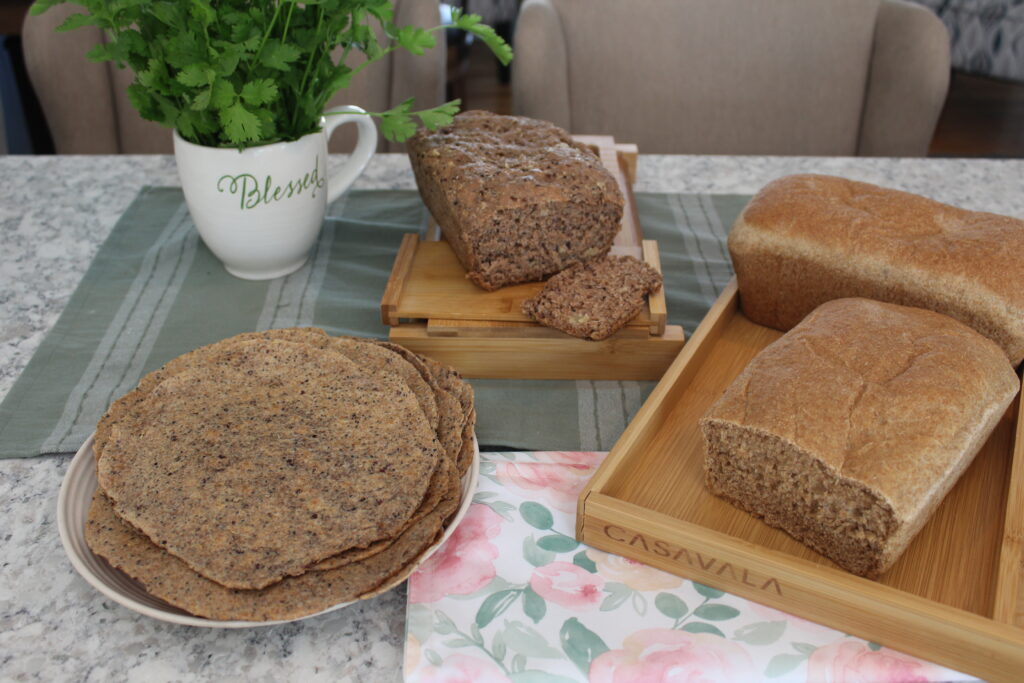
I hope you enjoy your sweet potato & asparagus frittata! It pairs nicely with some quinoa & walnut bread if you have the patience and desire to benefit from fresh milled bread making. It is a time-honored skill children can learn alongside you. Maybe even, one they will treasure forever.

Please do me favor, if you’ve tasted this recipe from my kitchen or are making if for yourself leave me a rating! I am always in need of improvement, Ya know! Many blessings to you and God bless!

References:

  1. Greenberg, J. A., Bell, S. J., Guan, Y., & Yu, Y. H. (2011). Folic Acid supplementation and pregnancy: more than just neural tube defect prevention. Reviews in obstetrics & gynecology4(2), 52–59.

2. Li, Y., Yao, J., Han, C., Yang, J., Chaudhry, M. T., Wang, S., Liu, H., & Yin, Y. (2016). Quercetin, Inflammation and Immunity. Nutrients8(3), 167. https://doi.org/10.3390/nu8030167


1 Prep Day for Fabulous Fresh-Milled Grains

A prep day with fresh-milled grains makes my life easier and more enjoyable. It also helps me stay on track with eating healthier. Last September I began watching Annette Reeder, the Biblical Nutritionist interview Sue Becker from Bread Becker’s. They were discussing the benefits of using fresh-milled grain in bread making.

I soon found myself watching more videos about the process and benefits. Sue’s video on The Bread of Life, a biblical and science-based class on the wheat kernel convinced me I needed to try the process. I soon ordered a refurbished grain mill from Nutrimill and my first pails of hard red and hard white wheat.

Needless to say, it has been an adventure and learning curve for me! But one I’ve enjoyed immensely.

Here’s what I Learned About Using Fresh-milled Grains:

  1. Fresh-milled whole grain soaks up water slowly, be patient and don’t add too much too soon.
  2. I have more luck with hard white and hard red for all baking, rather than soft White wheat. Soft white just did not work for my cookies or muffins, I’m not sure why.
  3. My hair is thicker and healthier.
  4. My husband’s cholesterol is now perfect, and his fingers no longer break out in the winter.
  5. I did not get bronchitis last fall or this spring from seasonal allergies, like I usually do. In fact, after two months, I did not even get a sinus headache.
  6. I am a meat eater, so I don’t have to worry about the phytic acid in grains depleting my ability to absorb minerals, and neither do you! The release phytates combine to cadmium and lead in the body and remove them. Plus, they play a role in lowering blood sugar. Another advantage to preparing all your goodies with fresh-milled grains.
  7. Gluten free grains are also available and can be incorporated into recipes with some extra work, I try to share as many as I can because, several of my friends and family are gluten sensitive.
Fresh-milled grains
Fresh Milled Flour & Sourdough Bread

There is more, but I really want to talk about preparation day. I start with cooking a cup of quinoa then milling the grain and getting all my supplies ready.

Since my favorite thing in the kitchen to make is tortilla shells, I had to get that recipe right. I also use the Zojirushi recipe as a guide to make my weekly loaves of regular sandwich bread and adjust it for my breakfast bread. It’s very versatile and I can add what I like and remove what I don’t like.

I’ve noticed the sunflower lecithin does make a nice fluffy loaf, but it caused my friend, who has lupus, a lot of muscle discomfort. So, I no longer use it in my basic recipes, although I use eggs (which contains lecithin) but eggs don’t bother her…go figure.

Benefits of Fresh-Milled Grain

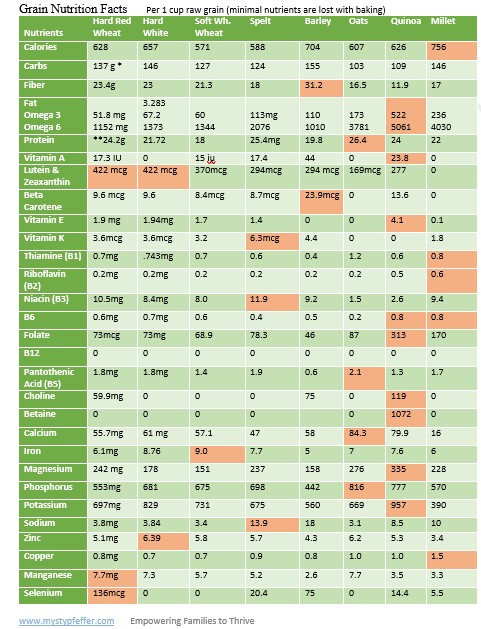
There are so many benefits to fresh-milled grain! I made a list on a pdf if you’re interested in checking out. The best way to maximize those benefits is to make a multi-grain loaf for yourself and your family. For instance, hard red wheat is highest in selenium (136 mcg per cup). Oats are highest in pantothenic acid (B5) and calcium. Soft white is highest in iron, while hard white is just a smidge higher than oats in zinc. Quinoa (the seed) is the powerhouse because it’s highest in protein, B6, folate, Vitamin E, choline, betaine, magnesium, and potassium.

God’s design and plan for our provision is always uplifting and exciting to me, and you’ll see my joy in the attached video of my bread making day below. I love how Deuteronomy 8:6-10 set up the promise of bounty for the nation of Israel as they are getting ready to enter the promised land. It will go well for them if they obey God’s commandments, just like it goes well for us physically, mentally, and spiritually when we obey.

So, you shall keep the commandments of the Lord your God by walking in his ways and by fearing him. For the Lord your God is bringing you into a good land, a land of brooks of water, of fountains and springs, flowing out in the valleys and hills, a land of wheat and barley, of vines and fig trees and pomegranates, a land of olive trees and honey,  a land in which you will eat bread without scarcity, in which you will lack nothing, a land whose stones are iron, and out of whose hills you can dig copper.  And you shall eat and be full, and you shall bless the Lord your God for the good land as given you.

Deuteronomy 8:6-10 ESV – So you shall keep the commandments of – Bible Gateway

I read about Israel’s promises and can’t help but think about our own country’s foundation and Christian principles. We are beyond blessed to be given such good land here in the USA too! A land in which we have eaten without scarcity! It is so exciting to me to see God’s plan for all of His children continually unfolding. He is worthy of praise!

Here are my two favorite fresh-milled grain recipes to snack on as I prepare for my week of worship to our worthy Creator. I pray you find them enjoyable as well! Contact me if you want a workshop in person, at your church, social club, or on zoom! It’s one of my favorite things to do!


Quinoa & Walnut Bread

  • 4 Cups Hard Red Wheat (Fresh Milled)
  • 1 Tbsp. Yeast
  • 1 Tsp Sugar
  • 1.5 Tsp. Salt
  • 1 Cup Quinoa
  • 1 Cup Walnuts (Finely Chopped)
  • 1/3 Cup Extra Virgin Olive Oil
  • 1 1/2 Cups Water (Lukewarm)
  • 1 Egg
  1. Mix 2 cups of fresh-milled flour in a bowl with salt, yeast, and sugar. Add the water, egg, and olive oil and mix well.

  2. Slowly add the 3rd cup of flour, then nuts and quinoa. Begin folding the dough in the bowl with a spatula. Add the 4th cup of flour and continue to fold the flour into the dough until it is all incorporated.

  3. Cover and set in a warm place to rise until double in size (about an hour).

  4. Once it has raised, punch it down and knead on a lightly floured surface about 3-4 minutes. Divide into two loaves and place them in greased loaf pans to let rise again until double.

  5. Bake at 350 degrees for 28-30 minutes or until toothpick comes out clean. Let cool and slice as desired. I store my in the fridge once it is cooled.


fresh-milled grain nutirtion graphic
Fresh Milled Grain Nutriton Graphic


Quinoa & Chia Tortillas

  • 2 Cups Hard Red Wheat (Fresh-milled)
  • 1 Tsp Salt
  • 1/3 Cup Extra Virgin Olive Oil
  • 1 Tsp Onion Powder
  • 1/2 Cup Quinoa (Precooked)
  • 3 Tbsp. Chia Seeds
  • 1 Cup Hot Water
  1. Preheat skillet on low with no oil.

  2. In a large bowl combine 1 1/2 cups of the flour with salt and onion powder. Add the chia seeds and quinoa.

  3. Then add the water and oil. Combine well and slowly add more flour 1/4 cup at at time until dough is no longer sticky, but soft and pliable. (Usually a total of 2 -2 1/4 cups of flour is used, plus more for dusting. Set aside and let the flour soak up all the liquid for about five minutes.

  4. Once dough has rested, divide the dough into balls and make each one a flat disc shape. Roll out on a lightly floured surface until thin, then place in the ungreased skillet for about a minute on each side. Don't leave them too long, you'll have crackers. They should be soft and pliable.

  5. Continue with each ball that is made, mine made 10 medium sized tortillas, you can make them as small or as large as you like. When they are cooled, I store them in the fridge.


Sourdough Starter Waste Ideas

I’m really trying to get sourdough starter down, so I am not dependent on buying yeast for making bread. In the information age we live in there are so many voices and instruction to steer a person off course. It’s no wonder my first two sourdough starters failed. So, I’ve watched about four different Youtubers make their sourdough and I’ve settled on the one that makes the most sense. However, it requires wasting half the starter each day, so I had to come up with some sourdough starter waste ideas.

According to several reputable sources, sourdough bread is beneficial for feeding the good gut bacteria, decreasing thy phytic acid in the grain that competes with absorption of minerals, and it doesn’t spike blood sugar or insulin levels (1). A pretty impressive profile combined with the naturally occurring B vitamins, selenium, fiber, and protein found in whole grain bread.

Sourdough Starter Process

The first step in making my sourdough is to combine 1 cup of flour with 1 cup of water and mix well, the first day, while leaving it on the counter (lightly covered) at room temperature to ferment. The problem for me is a dark grey film spread over the top of the starter after 12 hours.

Not good.

I thought maybe I’ve had this fresh milled grain too long in the fridge and it’s bad, or my water is not as clean as I thought. So, I scraped all the grey stuff off and threw it away. Although the mixture didn’t’ smell bad, I decided to waste that completely and start with fresh milled grain, and twice filtered water.

The second day, you remove half the starter and add the same amount of flour and water, and repeat this process the third day, and twice a day the fourth and fifth day. So, what to do with the sourdough starter waste?

.

Below are the two recipes I decided to try with the sourdough starter waste…

Quiona, Peanut Butter & Whole Grain Pancakes

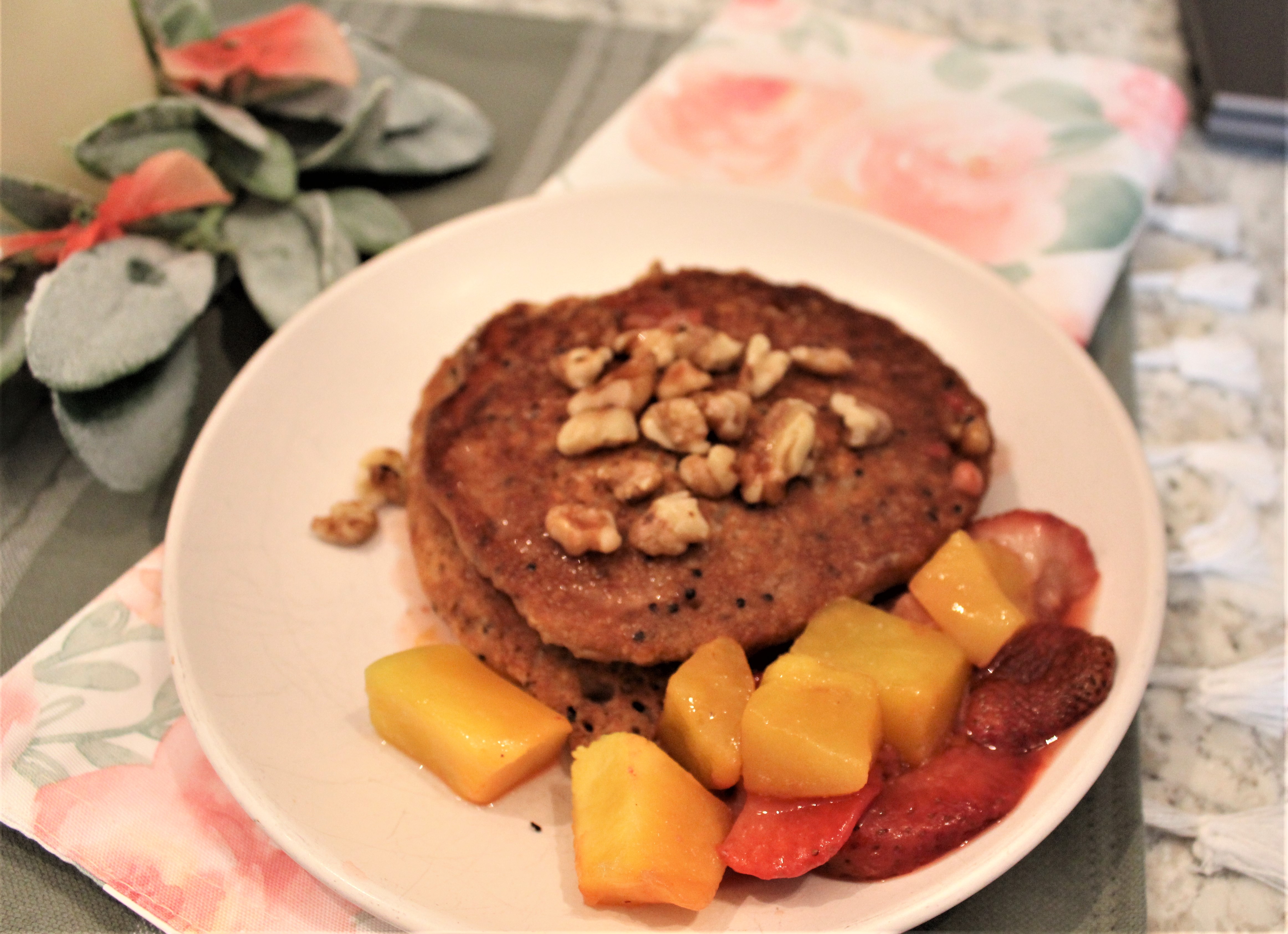
I take my sourdough starter waste and add 1/2 cup of quinoa, 2 tablespoons of peanut butter, a teaspoon of cinnamon and a pinch of salt. (I forgot to add an egg! But it didn’t need it after all). I grease my preheated cast iron skillet with a teaspoon of avocado oil or ghee and divide the batter into two small cakes. I lightly fry them on each side until golden brown. While they are cooking, I gather fresh or frozen strawberries and mangos and drizzle them with a teaspoon of maple syrup.

Once the pancakes are done, I top them with the fruit.

Sourdough Starter Waste Muffins

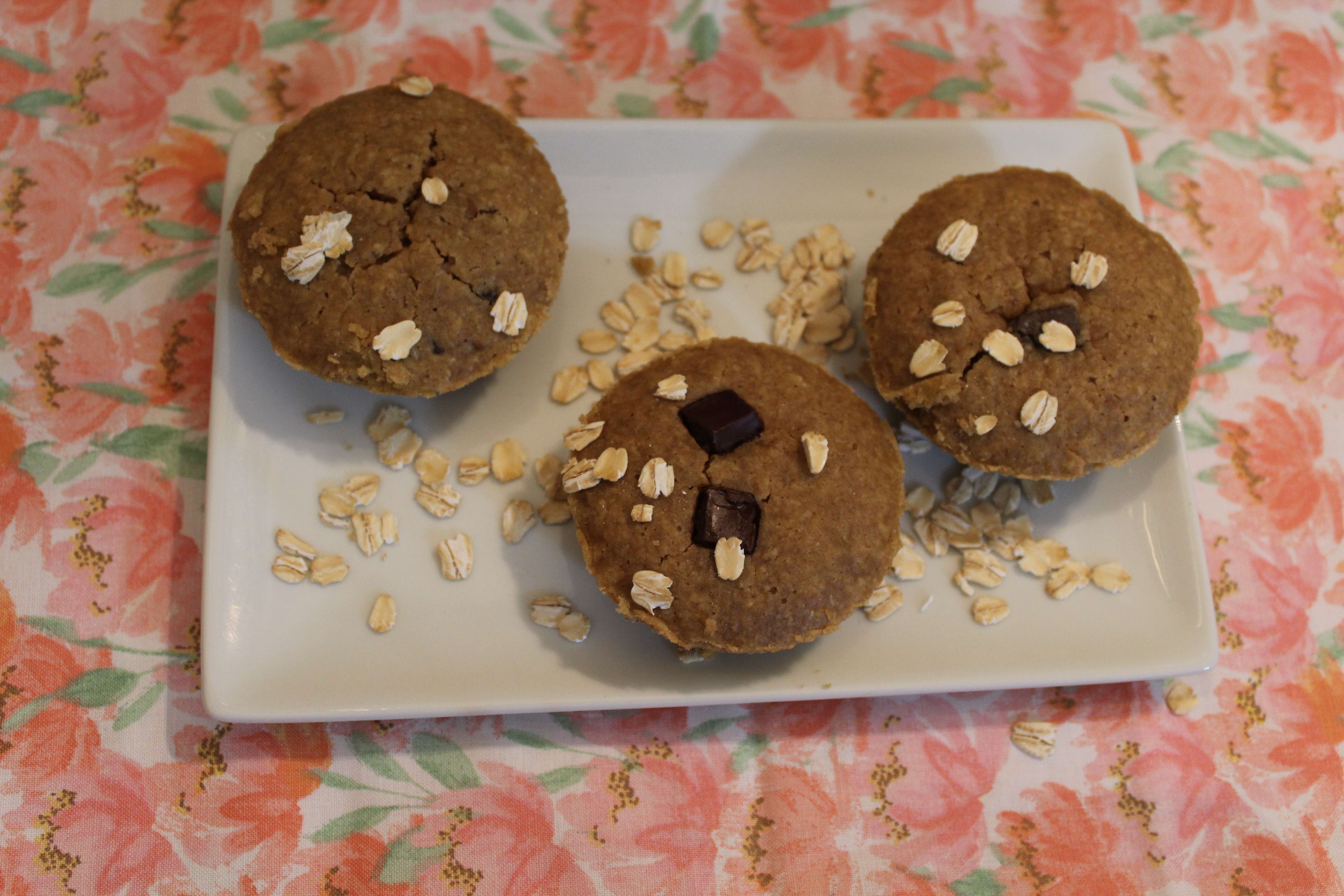
The second day I mix the sourdough starter waste with a half a cup of unsweetened almond milk and a cup of fresh milled whole grain flour to make muffins. My hubby’s favorite is below:

Peanut Butter & Chocolate Chip Muffins

Take the sourdough waste and flour as mentioned above (1/2 cup starter, 1/2 cup almond milk, 1 cup whole grain flour) and add 1 tsp baking powder, 1/2 cup honey, 1/4 cup of peanut butter, 1/2 cup 72% cacao chocolate chips, 1/4 teaspoon salt, and 1 egg. Mix well and pour into greased muffin pans. Bake at 375 for 18-20 minutes or until a toothpick comes out clean.

I made a similar recipe gluten free last week and you can find it here.

Since I’m new to this entire process, I’d love your input and ideas! Progress is good when you have a friend to help you along. Besides, scripture assures us we are better together!

Have a blessed day and continue to take advantage of what God puts in the garden, because it is so good!

References:

  1. Sourdough Bread: Nutrients, Benefits, and Recipe (healthline.com)


2 Easy Meals to Help Maximize Energy

I’m always looking for meals to help maximize energy. First, I must be aware of what zaps my energy. I’ve been associating the effects of food on my body over the years because of studying wholistic nutrition at Clayton College of Natural Health and reading nutrition books.

So, today I’d like to share with you two meals and a Three-Day Food Diary to show you how to become more aware of food’s effect on your body. It is a technique good for helping you identify problems and spurn you into an Intentional Eating program for yourself and your family. The process is really simple, and I’ve included a downloadable pdf journal below so you can attach it to your phone or print it at your convenience.

The great thing about this 3 Day Food Journal is you’ll quickly learn what increases your energy and what zaps it!

Three Day Food Diary: A three-day food diary is helpful to note eating patterns and signs and symptoms (S/S) after eating certain foods. For example, you may not normally associate a burning sensation in your stomach after eating salsa and chips, coffee or citrus. But I assure you, there are acidic foods, spices, and drinks creating havoc in your stomach. Although you and I may be able to tolerate one acidic substance, we find out when we add two or three more, we’re up all night with pain!

Another thing that occurs with energy zapping foods is fatigue or muscle aches. Some people even get headaches, itching, or bloating as symptoms. Even though we may not have a food allergy, the discomfort is real. We can quickly begin to identify food sensitivities by recording how we feel after we eat in this three-day journal.

I also like to ask people to record all serving sizes, soft drinks, added toppings. So, we don’t miss anything!

In the meantime, enjoy this Energy Packing Salad I make just about every day, and this Salmon, Broccoli, and Sweet Potato Omelet I found on YouTube. You’ll enjoy plenty of helpful Omega 3, magnesium, B vitamins, and power packed Broccoli’s antioxidant and cancer fighting ability! Not only that but you’ll have energy to sustain you throughout the day!

God loves you and I so much He sufficiently provided for our bodies time here on earth through every item in the garden. But more importantly, He shows us His love through His Son’s sacrifice on the cross for our eternal souls. May He bring you much joy from His wonderful goodness today!

Before you know it, you maximize your energy too!


Salmon Sweet Potato & Broccoli Omelet

  • 1 Cup Chopped Fresh Broccoli
  • 3 Eggs
  • 1 Cup Sweet Potatoes (Diced and Precooked (I use left overs))
  • 1 Tsp Oregano (I like fresh, you can use dried)
  • 3 onces Salmon (Again, I use left overs)
  • 1 Tbsp Onion (Chopped)
  • 1 Tbsp Olive Oil
  • 1 Clove Garlic (Minced)
  1. Heat Skillet while you preare your eggs. Beat the eggs in a bowl.

  2. Add the oil to the skillet.

  3. Saute the onion and garlic until translucent,

  4. Add the beaten eggs, then potatoes, broccoli, salmon, and oregano. You can also add salt and pepper to your taste. Place a lid over the mixture until eggs are done to your preference.


Energy Packing Salad

  • 2 Cups Mixed Greens
  • 1 Carrot
  • 2 Tbsp. Parsley
  • 1 Egg (Boiled)
  • 1/4 Cup Quinoa (Precooked)
  • 2 Tbsp. Beets (Fresh Julianned )
  • 1 Tbsp. Sunflower Seeds
  • 1 Tbsp. Pumpkin Seeds (Hulled)
  • 2 Tsp. Olive OIl (Ordanic Extra Virgin)
  • 1 Tsp. Apple Cider Vinegar
  • 1 Stalk Celery (Chopped)
  • 1 Cucumber (Chopped)
  • 1 Tsp. Onion Powder
  1. Gather your salad greens on a plate, top with the chopped vegetables, parsley, punpkin and sunflower seeds and onion powder. Then mix your olive oil and apple cider vinegar to place on top.


Is My Heart Moved to Do the Work?

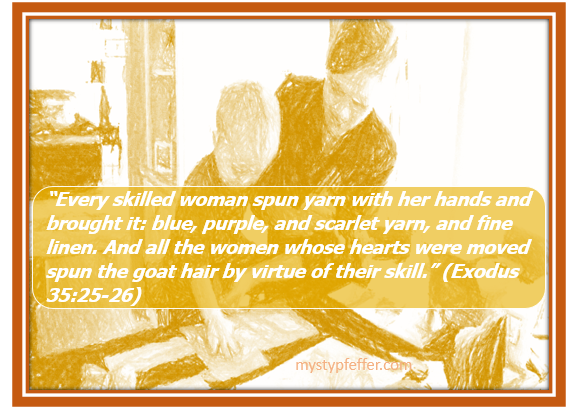
“So, Moses summoned Bezalel, Oholiab, and every skilled person in whose heart the LORD had placed wisdom, everyone whose heart moved him, to come to the work and do it.” (Exodus 36:2)

When I ask myself if my heart is moved to do the work God has called me to do, I almost hesitate. I say almost, because some test long ago informed me, I am a direct controller. Yeah, I get that analysis. Raising two kids, managing a home, and nursing ill and dying people in a hospital setting tends to propel a mom into some form of order and control, just to survive.

So, the “almost” hesitation comes from questions that arise when changing complete direction in that path. Life and career were steady, set, and comfortable until an unsettled yearning began to take place.

It may be the same for you in a relationship, career, or health challenge. Your heart may be moved to do the work, but the action required is foreign to anything you’ve ever done before!

Take for example my friend, Halina. She is an avid baker and energetic woman who makes the most amazing perogies you ever put in your mouth. She also has Hashimoto’s thyroiditis, an autoimmune condition that is wrecking her body with inflammation and hormone imbalances. She’s discovered her body cannot tolerate gluten and she is taking measures to remove the substance from her diet.

It’s hard. Cheating here and there, while indulging in bread led to severe inflammation in her hip. Her heart and her body are now moved to do the work necessary to remove this suffering and restore her health.

Moreover, her tent (body) housing the Holy Spirit has much more work to do for God’s kingdom. I think about the picture of our tents often as compared to the first place of worship built for the Lord God. The tabernacle (tent) built in the wilderness required hearts offering something to God bigger than their own desires.

” Do you not know that you are God’s temple and that God’s Spirit dwells in you?  If anyone destroys God’s temple, God will destroy him. For God’s temple is holy, and you are that temple.”

1 Corinthians 3:16-17 ESV – Do you not know that you are God’s – Bible Gateway

Today however, the most precious things we have to offer God is the temple of our bodies. In order to do His work, we offer our minds in seeking him daily, and prepare our hearts for opportunities to share Him with others. The gifts we came into this world with are and the exact things we are leaving with. I think that is why when we obey God, we store up treasures in heaven.

The tangible things we assign value to are disposable and meaningless spiritually. However, they are necessary to carry out the function of the meeting place, like Israel’s offerings were for the tabernacle in the wilderness.

The scriptures create a picture of freed slaves with absolutely nothing to their name giving their newly plundered gold, jewels, precious stones, and fine linens over in order to worship God.

“So, the Israelites brought a freewill offering to the LORD, all the men and women whose hearts prompted them to bring something for all the work that the Lord, through Moses, had commanded to be done.” (Exodus 35:29)

Morning after morning the people continued to bring their freewill offerings. There were more than enough materials present to do the work and Moses stopped the people from bringing more! The principle here is not the more you give the more you receive. But the more your heart is moved to give your best, the more overflow is present and sufficient to get the job done.

Therefore, whatever efforts you and I put into restoring relationship, career, or health; the more God provides to get it done.

The jewels for health may come from God’s Garden of nutrient rich antioxidants, minerals, and proteins. The fine linen and precious stones to restore our relationships may come from diving deeper into God’s word with our loved ones each day. Remember, morning after morning they came and offered…

So many times, I ask myself, “Is my heart moved to do the work?” What would my life and your life look like if we came morning after morning to offer our very best? What if we consume the very best for our flesh?

I pray this day, we see the wisdom of God’s plan for our bodies, our minds, and our spirit. It is with His help; our hearts are moved to do the work it takes to bring joy and harmony into our lives.

By the way, my gluten free baking week is in honor of my dearest friend, Halina! Please check out the gluten free baking recipes on the blog! I am here to serve you any way I can, so if you need encouragement, wellness coaching or ideas send me a request at mystypfefferwellness@gmail.com


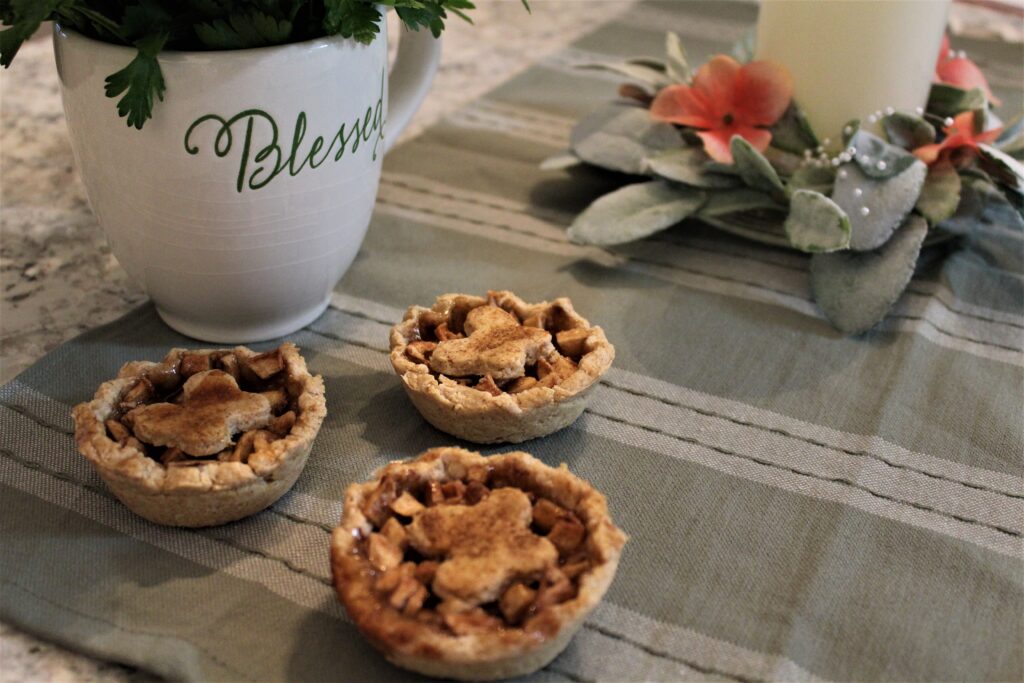
Gluten Free Apple Tarts

I made forty-eight miniature apple tarts this week for some little, and not so little, munchkins at church. And because I like to include everyone, I changed my fresh-milled wheat recipe to ground oats and added tapioca flour for my gluten-sensitive friends. This combination for gluten free apple tarts is a result of many trial and error efforts to make a gluten free pie crust.

Rice flour is too gritty, and my bible study group tasted and rejected quinoa flour years ago! Although, I like almond flour and arrowroot flour as substitutes for many recipes, I had fresh old-fashioned oats on hand. To my surprise, it made a decent pie crust.

I’ve been trying various gluten free recipes over the years because several friends and family members have become gluten sensitive or have celiac disease. Celiac disease is an inherited autoimmune disorder and when wheat or other grains with the gluten protein are present it attacks the lining of the intestine. (1)

Although people may experience bloating, diarrhea, and abdominal pain with this disorder, more insidious damage is taking place. Bone loss, malnutrition, anemia, liver damage, joint pain, hair loss, and fatigue are a few other findings associated with celiac disorder. A person may have a positive antibody test indicating the possibility of this disorder; however, a definitive diagnosis is done with an intestinal biopsy.

Benefits of Gluten Free Apple Tarts

Now, the fun part of making something different is looking for and reporting the benefits. The top advantage for gluten free apple tarts is there is no bloating or abdominal discomfort for wheat sensitive people. You’re welcome. And those who don’t react to gluten can enjoy them too! Oat flour is a good source of protein and fiber, which is always helpful to feel full and satisfied as well as move toxins out of the body. It also is a good source of minerals like selenium, magnesium, manganese, and zinc.

Gluten Free Apple Tarts

I’m not sure why certain people develop gluten sensitivities. We live in a fallen world that is prone to decay. Our bodies included. I do know manufacturing and mass production is polluting our food supply with toxic chemicals. The general population is feeding on highly processed, bleached wheat with nearly all the nutrients removed, while synthetic vitamins are added. Not only that, but there are preservatives listed on the label that are skin irritants on a material safety data sheet.

The more information I find, the more passionate I am about helping all of us eliminate what we can. It is why I truly believe in increasing awareness of how wonderful God’s garden is for combatting disease. He loves us and cares for us in so many ways. All we have to do is turn to Him for complete healing, body and soul. We get nourishment for our cells to function each day and we are filled with hope for the day we won’t’ have to strive to keep these bodies going.


Gluten Free Apple Tarts

  • 1 1/2 Cups Gluten Free Old-Fashioned Oats (ground into flour)
  • 1/2 Cup Tapioca Flour (Plus 1 tbsp for the filling)
  • 1 Tsp Xanthan gum
  • 1/4 Tsp Salt
  • 1 Tsp Sugar (optional)
  • 2 Apples (Peeled and Chopped)
  • 1/4 Cup Sugar
  • 1 Tsp Cinnamon
  • 1 Stick Butter
  • 1 Tbsp Olive Oil
  • 6 Tbsp Cold Water
  1. Preheat oven to 375 Degrees.

  2. In a large mixing bowl combine the ground oats, tapioca flour, salt, sugar, and xanthan gum.

  3. Cut the butter into small pieces and use a pastry cutter or fork to combine the butter and flour until it makes a course crumble. Mine was too dry, so I added the tablespoon of olive oil.

  4. Add the cold water and knead on a lightly floured surface until a firm dough forms. Roll out as thin as you can and cut circles for the tart shells with a biscuit cutter.

  5. Place the cut-out dough into the muffin pan.

Filling

  1. In the bowl combine the chopped apples, cinnamon, sugar, and 1 tbsp of tapioca flour together until well combined.

  2. Fill each tart shell with the apple filling and bake at 375 for about 20-25 minutes or until the tart shells are light brown and the filling bubbly.


Keep in mind, this is a treat designed for sharing with others and not to be used in place of a nutritious meal.

In any case, I hope you try the recipe and enjoy your gluten free apple tarts with friends. It’s delicious with a wonderful cup of Teecino herbal coffee substitute. No acid or caffeine, just wonderful bold flavor and enjoyment!

References:

Comparison of Gluten-Related Disorders – UCLA Digestive Diseases Celiac Disease Program – Los Angeles, CA (uclahealth.org)


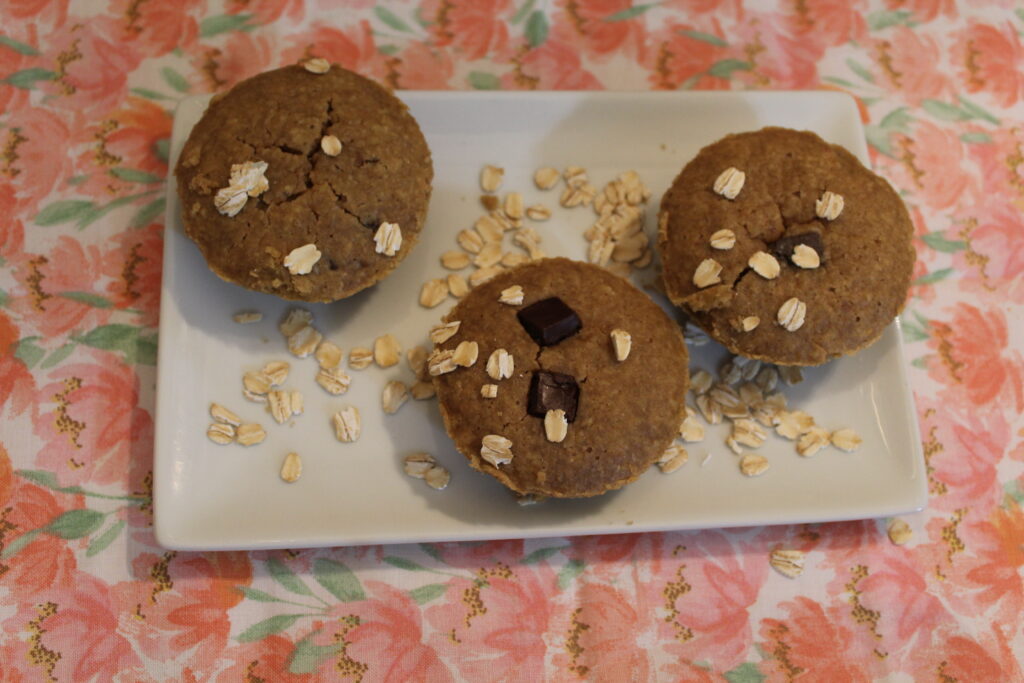
Peanut Butter Chocolate Chip Muffins

The best news about these peanut butter and chocolate chip muffins is they can easily be adjusted to include gluten free and wheat eating friends. However, if you have a nut allergy you may want to use a seed butter like pumpkin or sunflower. I find them not be a sweet as peanut butter but adding chopped prunes or a banana can fix that easily enough.

I also use dark chocolate chips. They have 72% cacao, and only 4 grams of sugar per tablespoon. Remember, 4 grams of sugar equals 1 teaspoon and we want to minimize the amount of sugar we consume to reduce inflammation and our chances of developing chronic disease.

Benefits of Peanut Butter Chocolate Chip Muffins

Cacao contains flavonoids that help with oxidative stress in our cells and protect the epithelium layer of our blood vessels (1). It also contains polyphenols that decrease inflammation in the vasculature. The same autoinflammatory effect reduces insulin resistance. As mentioned previously, being cautious of the sugar content in your choice of dark chocolate is important. Benefits are minimized the more the cacao is processed, and as high amounts of sugar are added.

On the other hand, pairing your dark chocolate with high fiber whole grains and peanut butter gives you added benefits. Nuts and legumes provide protein, fiber, minerals, and antioxidants like vitamin E (tocopherol). Metanalysis observation studies show reduced ischemic heart disease in people who with regularly consume nuts (2).

God’s plan for our sustained health and productivity continues to reveal itself in the studies I review for these recipes. He is ever glorious, mighty, and willing to save us if we just turn to him for physical and spiritual nourishment.

You visit the earth and water it abundantly, enriching it greatly. God’s stream is filled with water, for You prepare the earth in this way,
providing people with grain.

Psalm 65:8-10 HCSB – Those who live far away are awed by – Bible Gateway

Gluten Free Peanut Butter Chocolate Chip Muffins


Peanut Butter Chocolate Chip Muffins

  • 1 1/2 Cups Gluten Free Oats ground into flour (or 2 cups fresh milled wheat)
  • 1/2 Cup Old Fashioned Oats
  • 1/2 Cup Tapioca Flour (or arrowroot flour)
  • 1 Tsp Baking Powder
  • 1/4 Tsp Salt
  • 1 Tsp Cinnamon
  • 1/2 Cup Natural Peanut Butter
  • 1/2 Cup Organic Extra Virgin Olive Oil
  • 1/2 Cup Chocolate Chips (72% Cacao Chips)
  • 1 Egg
  • 1 Cup Buttermilk or Unsweetened Vanilla Almond Milk
  • 1/2 Cup Honey
  1. Preheat Oven to 375

  2. Grind the 1 1/2 cup of oats into a fine flour then add the remaining oats, spices, salt, baking powder. Set aside.

  3. In a separate cup add your oil, egg, peanut butter, and milk blend well then add to the dry ingredients. Then add the chocolate chips.

  4. Divide batter into 12 muffin cups and bake for 20 minutes or until toothpick comes out clean.


God bless you as you make and share these muffins with others today!

References:

  1. Katz, D. L., Doughty, K., & Ali, A. (2011). Cocoa and chocolate in human health and disease. Antioxidants & redox signaling15(10), 2779–2811. https://doi.org/10.1089/ars.2010.3697
  2. Afshin, A., Micha, R., Khatibzadeh, S., & Mozaffarian, D. (2014). Consumption of nuts and legumes and risk of incident ischemic heart disease, stroke, and diabetes: a systematic review and meta-analysis. The American journal of clinical nutrition100(1), 278–288. https://doi.org/10.3945/ajcn.113.076901


I Know What I Need to Do, I Just Don’t Do It.

John is a man who exercises faithfully five times a week. He is obedient to his doctor’s instructions to stay active and takes all his medicine as prescribed. As a pastor, he delves into God’s word, cares for his congregation, and shares the gospel. Although his glucose numbers are within range to help control his diabetes, he is not losing weight.

 More importantly, I’m concerned his eating patterns and the quality of food he consumes are setting him up for another cardiac event.

When talking to John about his eating patterns, I ask how I can help. He says, “You can’t, I’m busy and on the go, so I eat out a lot. I know what I need to do, I just don’t do it.” His statement is one I hear quite often as a registered nurse and wellness coach trying to help people improve their health.

The saddest thing to me is a mindset that thinks eating what God supplies in the garden is too difficult or not good enough. If I could only convince him to see what God provides is superior to driving through a fast-food joint.

Plus, planning and organizing the week’s meals is beneficial to his health goals. Especially since John’s knowledge of whole food benefits is well established. His previous attendance at wellness classes taught him how to nourish his cells to gain energy and stamina to carry through with his God-ordained tasks.  

He is also aware of the multiple studies revealing dangerous inflammatory markers in fried and processed foods; while items God designed are anti-inflammatory and beneficial.

The mindset of this child of God being blind to how the Maker’s gift of nutrient rich food can improve his quality of life is tragic. The man has had three heart attacks! Only the Lord above is keeping His hand of protection upon him and postponing the inevitable. But at what cost to his ability to carry through with God’s mission.

When considering the time to recuperate from the events, chronic fatigue, and brain fog that results from poor quality food choices, the cost is high. It is too high when God’s child, knows what he needs to do and just doesn’t do it.” It’s almost like refusing to bring his best to the house of God in order to serve God.

God tells Moses in the wilderness to bring the best firstfruits of your land to the house of the Lord your God. (Exodus 34:26, HCSB) The finest linens and gold are used to erect the first tabernacle and clothe the representatives of God. It is a picture of God setting apart the very best for worship and service to Himself.

Therefore, God expects my best, your best, and John’s best when we serve him. We don’t have firstfruits to offer from a harvest, and the house, according to the new covenant is our bodies.

Therefore, when we know we are consuming harmful substances that destroy our bodies instead of building them up, we are sinning. Even worse, is when we instill these habits in the children under our care! The apostle Paul reminds us our old self was crucified with Christ so sin’s dominion over the body may be abolished. We are to consider ourselves dead to sin but alive to God in Christ Jesus. So that, we do not let sin reign in our mortal bodies and obey its desires. (Romans 6: 6, 11, 12, HCSB)

The sin committed in the partaking of the Lord’s supper in Corinth is another example. At the meal each one eats his own supper ahead of others. So, one person is hungry while another gets drunk! The unworthy manner in taking the remembrance was gluttony. Paul says later, he who eats and drinks without recognizing the body (or Lord’s body), eats and drinks judgement on himself. This was in fact why many among them were ill and some even died. (1 Corinthians 11:21, 29, 30)

Paul ends one of his letters with a powerful reminder of soundness:

“Now may the God of peace Himself sanctify you completely. And may your spirit, soul, and body be kept sound and blameless for the coming of our Lord Jesus Christ. (1 Thessalonians 5:23 HCSB).

I want that for John, myself, and you.

It is the love, power, and presence of God renewing our minds that opens the eyes of the blind. The hazy blanket of mindless wandering in the soul and eating for sheer pleasure evaporates. In its place is a clear appreciation for God’s provision. He made special preparations to nourish, sustain, and even heal us before he formed Adam and Eve from the dust of the ground. Scientists have just begun to learn the powerful antioxidants in fruits, vegetables, herbs, and grains in the last fifty years.

My prayer for John and the rest of us in the body of Christ is to embrace the healing goodness God offers through His creation. For now, in the age of electron microscopes and studies of plant components combatting cancer cells, His power is clearly seen through what He has made. (Romans 1:20)

May the desire for harmful processed food be eliminated and a craving for whole food be instilled as a way of life for all believers. I pray time taken to prepare vegetables, fruits, grains, and lean meats in advance for easy retrieval becomes a priority. Serving God joyfully and effectively is easier when our bodies feel well. We will then know what we need to do and be happy to do it!


Sweet Potato & Pecan Pancakes-2 Versions

You and I can make quick and easy pancakes with leftover sweet potatoes and avoid all the ultra-processed ingredients damaging our health. These sweet potato and pecan pancakes will have two versions:

  1. Fresh-milled whole grain
  2. Oat, Flax and Ground Chestnuts

Although eating intentionally for optimum health becomes second nature when it’s incorporated into our daily routine, things happen to throw a wrench into our plans and we need something easy.

Waking up and not wanting what we made for dinner the night before as a breakfast option is one of those things.

Do you ever wake up wanting bread instead of an omelet? I do!

But if we don’t have something healthy made ahead of time and we’re not in the mood to cook, something easy and delicious can still be possible.

Bread-making is a small part of our healthy eating plan alongside plenty of fresh fruit, vegetables, and protein. So, when we plan our meals for the week, we want an order of options to best fit our needs, right?

1. Protein 2. Vegetables 3. Fruit 4. Fiber

One day a week is set aside to meal prep and in this household, bread making items like tortillas, buns, or bread may be a Thursday or Friday.

However, when we have some grain left over it will be enough to make 5 small pancakes. Having easy and quick tools in our kitchen, is always a plus for days when we don’t feel like making large meals.

Sweet Potato & Pecan Pancakes

When I make pancakes, I always think of Abigail in the bible making preparations for the sheering of the flocks. Her husband Nabal refused to give David and his men some of the flock they’d protected from predators, and David was about to descend on Nabal’s family with some vengeance. Quick thinking Abigail, grabbed 200 fig cakes, bread, and 5 prepared sheep and set out to meet David. She fell at his feet and offered him the food. But her speech reminded him who he was, who his provider is, who his protector is, as well as his purpose:

 Please forgive the trespass of your servant. For the Lord will certainly make my lord a sure house, because my lord is fighting the battles of the Lord, and evil shall not be found in you so long as you live. And when the Lord has done to my lord according to all the good that he has spoken concerning you and has appointed you prince over Israel my lord shall have no cause of grief or pangs of conscience for having shed blood without cause or for my lord working salvation himself.

1 Samuel 25:28, 30-31a

1 Samuel 25 ESV – The Death of Samuel – Now Samuel died. – Bible Gateway

I am amazed when I think of all the people, she had a hand in keeping alive that day. Yep, a quick-thinking and resourceful woman can keep many men out of trouble and benefit entire families. Speaking of benefits, there are some nice benefits for our energy levels with these pancakes.

Benefits of Sweet Potato & Pecan Pancakes for 2

The fresh-milled grain I’m using is a hard red wheat that provides a great source of protein and fiber. It also retains the original B vitamins and Vitamin E the way God intended it to be eaten (The faulty nutrition label below does not take these vitamins in account but, I assure you they are there). Manufacturing this product and separating the bran and germ to leave the white starchy protein is the bread filling store shelves.

Small growing bellies are consuming the nutrient poor bread every day and are instead filled with “enriched” synthetic vitamins. They deserve better than bleached flour enriched with synthetic vitamins and harmful preservatives.

It does more harm to kid’s cells than good, but it’s better than nothing. I served it and ate if for years before I knew better. I wish someone had shown me how to do it right the first time.

Oh, well enough lamenting… It just wasn’t in God’s timing. Like everything, He has a plan and a purpose.

Here is the simple and delicious recipe for these pancakes,


Sweet Potato & Pecan Pancakes for 2

  • 1 Cup Hard Red Wheat (milled)
  • 1 Egg
  • 2 Tbsp Sweet Potato ((Precooked and mashed))
  • 1/4 Tsp Salt
  • 1/2 Tsp Baking Powder
  • 2/3 Cup Vanilla Almond Milk (Unsweetened)
  • 1/2 Tsp Cinnamon
  • 6 Pecans (Chopped )
  1. Preheat skillet on low while mixing ingredients

  2. Combine the flour, salt, baking powder, cinnamon in a bowl and whisk well.

  3. In a large measuring cup place the milk, egg, and sweet potato. Blend well with a fork. Then pour into the flour mixture and add pecans. Mix well.

  4. Melt a small tsp of butter or oil of your choice in the skillet. Pour the batter into three small rounds in the skillet and let cook on low-medium heat until bubbles appear, and the edges of the pancake look done. Flip it over and cook another minute or two.

  5. Serve with maple syrup.


I hope you enjoy these pancakes! Check out my ideas for extra sourdough starter too, if you want another pancake recipe. I look forward to helping you and your family get on track fighting chronic disease so leave me a message to get started with health coaching!

Gluten Free Version of Sweet Potato & Pecan Pancakes

gluten free sweet potato and pecan pancake

My gluten free friends like their pancakes too! In fact, they can be just as tasty and delicious with some organic chestnuts from Costco! I’m posting my ridiculous video of this pancake experiment and tweaked the recipe to create “mold free” pancakes with fiber, protein, and minerals!

Creating recipes is fun and I hope you enjoy it as much as I do!


Gluten Free Sweet Potato and Pecan Pancakes

  • 1/2 Cup Sweet Potato (cooked)
  • 1 1/2 Cups Almond Milk (Or Milk of your choice)
  • 2 Eggs
  • 1/2 Cup Flaxseed Meal
  • 3 Chestnuts (Ground)
  • 6 Pecans (Ground)
  • 1 cup Oat flour
  • 1/2 tsp baking powder
  • 1 tsp cinnamon
  • 1 tsp Butter
  1. Puree oats, nuts, flaxseed to make a flour with a straight blade or use what you already have on hand.

  2. Place in a bowl and add baking powder and cinnamon.

  3. Blend the cooked sweet potato, eggs, and almond milk add it to the dry ingredients and mix well.

  4. Heat the nonstick skillet to low and when ready add a pat of butter.

  5. Cook until done in the center, about 5 minutes each side.

  6. Top with maple syrup and pecans